If you’re trying to strike the ball more cleanly, the right trainer can make practice sessions far more productive. The best golf training aids for ball striking help you improve impact position, connection, and consistency without overcomplicating your swing.
In this roundup, we focus on practical options that can support better contact, cleaner strike patterns, and easier at-home or range practice.
Best 10 Golf Training Aids for Ball Striking Picks for 2026
Best for Thin Shots
GoSports Pure Strike Discs 24 Pack
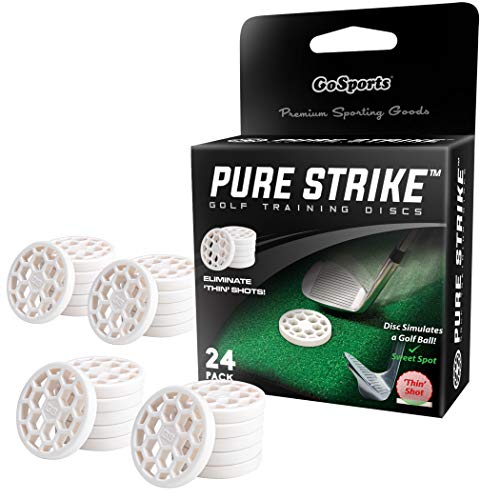
- Disc footprint encourages cleaner ball-first contact
- Instant feedback helps you spot thin or skulled strikes
- Works for chipping, wedges, and iron practice
Best For: Golfers who need a simple, affordable contact trainer to improve strike quality.
Best for Arm Connection Drills
Xvolt Compression Golf Training Ball

- Promotes correct arm spacing and posture
- Works for putting, chipping, and full swings
- Portable, lightweight, and easy to store
Best For: Golfers who want a straightforward trainer for arm connection, alignment, and swing repeatability.
Best for Instant Swing Feedback
Birdie Mat Pro Swing Training Aid
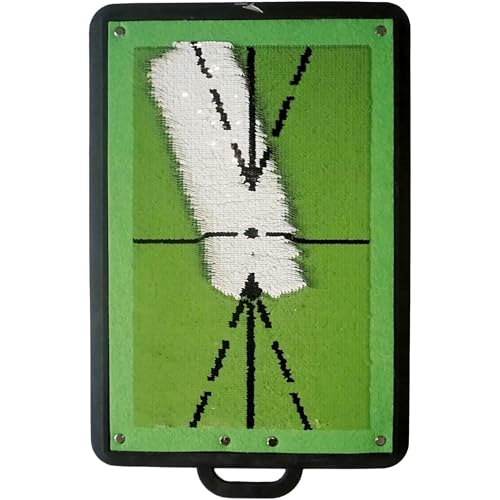
- Color-change sequin surface shows impact instantly
- Durable mat holds up to repeated practice sessions
- Portable design works indoors, outdoors, or on the range
Best For: Golfers who want a visual practice mat to diagnose ball striking and swing path quickly.
Best for Everyday Use

- Encourages better arm-to-body connection
- Helps with posture, tempo, and swing consistency
- Lightweight foam makes practice simple anywhere
Best For: Golfers who want a connected swing trainer for alignment and more consistent ball striking.
Best for Comfort
Compression Golf Swing Trainer Ball

- Soft foam design supports comfortable drill work
- Targets chicken winging, slicing, and impact position
- Portable option for range sessions and home practice
Best For: Golfers who want a simple drill aid to improve arm connection and cleaner ball striking.
Best with Extra Features
Golf Training Aid Ball with Arm Band

- Instant visual feedback for swing path and arm alignment
- Soft memory foam design is comfortable and portable
- Helps correct slicing, scooping, and chicken-wing motion
Best For: Golfers who want a simple, feel-based trainer to build better swing connection and impact consistency.
Best for Swing Path Feedback – Golf Training Ball Between Arms
If you want golf training aids for ball striking that reinforce a more connected swing, this between-the-arms training ball is built to give instant feel and feedback. It helps keep the arms and body synchronized, making it easier to work on impact position, reduce casting or scooping, and build a repeatable motion across practice sessions.
Best For: Golfers who want a simple, tactile trainer to improve swing connection, contact consistency, and slice-control drills.
Pros:
- Between-the-arms design promotes better arm-body synchronization
- Dual-color construction gives quick visual feedback on rotation and position
- Useful for full swings, pitching, chipping, putting, and bunker practice
- Soft, portable build makes it easy to use at home or on the range
Cons:
- More of a swing-position trainer than a direct ball-striking fix
- Three size options mean buyers need to choose the right fit carefully
This is a practical pick if you want golf training aids for ball striking that focus on body connection and immediate feedback rather than complex tech. It is especially helpful for players trying to clean up timing, reduce common swing faults, and build a more stable impact pattern.
Best for Thin Shots – GoSports Pure Strike Discs 24 Pack
GoSports Pure Strike discs are simple, practical golf training aids for ball striking if your main miss is hitting it thin or skulling shots. The discs simulate the footprint of a golf ball, so you get immediate feedback on whether you stayed down through impact and struck the turf correctly.
Best For: Golfers who want a low-fuss training aid to improve contact, especially for chipping, wedges, and iron practice.
Pros:
- Disc-shaped target helps promote a cleaner downward strike
- Instant feedback makes poor contact easy to spot and correct
- Useful for chipping, wedge work, and full iron reps
- Soft rubber construction suits indoor or outdoor practice
Cons:
- Designed for contact training, not full swing mechanics
- Won’t fix path or sequencing issues by itself
- Can feel less realistic than hitting an actual ball
As a simple contact trainer, this is one of the more straightforward golf training aids for ball striking for players who need help avoiding thin shots. It’s especially useful when you want clear feedback without a complicated setup.
Best for Arm Connection Drills – Xvolt Compression Golf Training Ball
If you want one of the more practical golf training aids for ball striking, this Xvolt compression ball trainer focuses on arm connection, posture, and repeatable swing mechanics. It’s built to help you keep the correct spacing between your arms while you rehearse putting, chipping, and full swings.
Best For: Golfers who want a simple swing trainer to improve arm structure, alignment, and contact consistency across different practice drills.
Pros:
- Helps reinforce proper arm connection and body alignment
- Useful for putting, chipping, and full-swing practice
- Lightweight, portable design for home or range use
- Durable build supports repeated training sessions
Cons:
- More of a fundamentals trainer than a fix for advanced swing issues
- Best results require consistent repetition and setup discipline
- Doesn’t provide real-time feedback like sensor-based trainers
This is a solid pick if you want a low-friction way to groove mechanics and build better motion patterns. Among golf training aids for ball striking, it stands out for keeping the focus on arm structure and swing repeatability rather than complicated features.
Best for Instant Swing Feedback – Birdie Mat Pro Swing Training Aid
If you want one of the more visual golf training aids for ball striking, the Birdie Mat Pro makes feedback easy to read. Its sequin surface changes color on impact so you can quickly see swing path, contact point, and divot pattern without guessing what happened at impact.
Best For: Golfers who want a portable practice mat that helps diagnose ball contact and swing consistency at home, indoors, or on the range.
Pros:
- Instant color-change feedback makes impact results easy to understand
- Sequin tech is built for repeated use and doesn’t flatten quickly
- Works with or without a ball for broader practice options
- Portable handle makes it simple to move between indoor and outdoor setups
Cons:
- Smaller size may feel limited for players who want a larger hitting area
- Focused on feedback, not on full swing mechanics or launch data
- Best results depend on interpreting the visual feedback correctly
For golfers comparing golf training aids for ball striking, this mat stands out because it gives immediate, practical feedback on ground contact and swing path. It’s a strong choice if you want a durable, easy-to-transport trainer that helps turn practice reps into clearer strike patterns.
Best for Forearm Connection – Compression Golf Swing Trainer Ball
If you want one of the simpler golf training aids for ball striking, this compression ball trainer is built to reinforce forearm connection, improve impact position, and reduce common hand-path mistakes. It’s a practical pick for golfers who want a soft, low-pressure tool to groove better mechanics without overthinking every rep.
Best For: Golfers working on chicken wing, scooping, or flying elbow issues who want a lightweight training aid for better contact and tempo.
Pros:
- Encourages arm-body connection for cleaner, more repeatable impact.
- Helps reduce chicken winging, scooping, and disconnection patterns.
- Soft memory foam design feels comfortable for indoor or range practice.
- Adjustable lanyard makes it easier to use during solo sessions.
Cons:
- Focused more on swing connection than full-swing mechanical feedback.
- Best results depend on consistent practice and proper drill use.
- Not a replacement for coaching if you need a full swing rebuild.
This is a solid value-oriented option if your priority is simpler, feel-based improvement. Among golf training aids for ball striking, it stands out as an accessible tool for building better forearm awareness and more centered contact.
Best for Everyday Use – Connector Golf Swing Trainer
If you want a simple tool that reinforces a more connected motion, this is a practical pick among golf training aids for ball striking. The foam connector encourages better arm-to-body alignment, which can help improve posture, tempo, and more consistent contact during full swings, chips, and warm-ups.
Best For: Golfers who want to build a more connected swing and clean up arm alignment while practicing at home or at the range.
Pros:
- Promotes connected arm and body movement for better swing mechanics
- Useful for full swings, chipping, and pre-round warm-up drills
- Lightweight foam design is comfortable and easy to carry
- Works for beginners and experienced players refining consistency
Cons:
- Focuses on mechanics and connection, not clubface or path feedback
- May feel restrictive until you get used to the drill
- Best results depend on repeated practice and proper use
Overall, this trainer is a straightforward way to practice better structure and repeatable motion, especially if your main goal is cleaner contact. For golfers comparing golf training aids for ball striking, it stands out as an easy-to-use option for building habits that support more stable strikes.
Best for Comfort – Compression Golf Swing Trainer Ball
If you want a simple feedback tool for tighter arm structure and cleaner contact, this foam trainer is a practical option among golf training aids for ball striking. It’s designed to help keep the forearms connected, improve wrist stability, and reinforce better impact position as you work on tempo and plane.
Best For: Golfers who want an easy-to-carry training aid for fixing chicken winging, reducing slices, and building repeatable ball-striking mechanics.
Pros:
- Helps reinforce forearm connection and solid impact position
- Soft foam build is comfortable and easy to use during practice
- Useful for swing-plane, tempo, and common swing-flaw corrections
- Compact enough to take to the range or practice area
Cons:
- Doesn’t provide real-time electronic feedback
- Most useful when paired with deliberate drill work
- May feel gimmicky if you prefer free-swing practice only
As a low-friction drill aid, it fits golfers who want straightforward mechanics training rather than a complex device. For players focused on golf training aids for ball striking, the value here is in building consistent arm position and impact habits that translate into more centered contact.
Best with Extra Features – Golf Training Aid Ball with Arm Band
If you want one of the more hands-on golf training aids for ball striking, this swing trainer is built to give instant visual feedback on arm position, rotation, and club path. The soft memory-foam design makes it easy to use repeatedly, while the arm band helps reinforce connection so you can work on fixing slicing, scooping, and chicken-wing moves.
Best For: Golfers who want a simple, portable trainer to improve swing connection and strike consistency through feel and visual feedback.
Pros:
- Dual-color design helps you spot swing faults quickly
- Soft memory foam and adjustable lanyard improve comfort and portability
- Targets common issues like slicing, scooping, and flying elbow
- Works for a wide range of players, from beginners to advanced golfers
Cons:
- More of a training aid than a true swing analyzer
- Best results depend on consistent practice and good setup
- May feel too simple for golfers wanting advanced data or metrics
This is a practical pick if you prefer feel-based reps over gadgets, especially for building repeatable mechanics and cleaner contact. Among golf training aids for ball striking, it stands out as an easy-to-use option for correcting swing disconnects and grooving better impact habits.
Best for Fixing Swing Path – Forearm Connection Swing Trainer
If you want one of the more practical golf training aids for ball striking, this forearm connection trainer is built to help you feel the right arm-to-body relationship through impact. The soft foam design and visual color cues make it easier to spot slicing, scooping, wrist breakdown, and chicken-wing movement while you rehearse a more repeatable swing.
Best For: Golfers who want simple feedback on arm connection, swing path, and impact position during range sessions or at-home drills.
Pros:
- Helps reinforce the elbow-wrist triangle for a more connected swing
- Dual-color design gives quick visual feedback on alignment and rotation
- Soft memory foam is comfortable for repeated practice sessions
- Adjustable lanyard helps keep the trainer secure during drills
Cons:
- Not a full swing system, so it works best as a drill aid
- Requires consistent practice to translate into on-course results
For golfers focused on cleaner contact, this trainer offers a straightforward way to build better mechanics without overcomplicating the motion. Among golf training aids for ball striking, it stands out for giving immediate feedback while targeting some of the most common swing faults.
Best for Connection & Feedback – Golf Training Aid Ball for Swing Path
If you want golf training aids for ball striking that help you feel the right swing shape fast, this connection ball is built for simple, repeatable practice. The soft foam ball sits between the forearms to encourage arm-to-body connection, while the dual-color design gives quick visual feedback on rotation, alignment, and plane.
Best For: Golfers who want an easy drill aid for fixing chicken wing, scooping, wrist flip, and other ball-striking faults.
Pros:
- Encourages better forearm connection for a more stable, repeatable swing
- Dual-color surface makes swing flaws easier to spot during practice
- Soft memory foam and adjustable lanyard make it comfortable and secure
- Useful for full swings plus chipping, pitching, bunker shots, and putting drills
Cons:
- Works best as a training drill, not as a permanent swing fix
- May feel awkward at first if you are new to connection-based drills
As a practical drill aid, this stands out for golfers who want straightforward feedback without complicated setup. For players comparing golf training aids for ball striking, it offers a simple way to reinforce better structure and contact during everyday practice.
How We Picked These Golf Training Aids for Ball Striking
We prioritized aids that directly support better contact rather than general swing gadgets. That means focusing on tools that help with forearm connection, arm structure, posture, alignment, swing path feedback, and impact awareness. We also looked for products that are easy to use repeatedly, portable enough for practice, and suitable for a range of skill levels.
Quick Comparison
Most options in this category fall into two groups: connection trainers that sit between the arms or attach to the body, and feedback tools that show what happened at impact or on the swing path. Connection-style aids are usually best for grooving fundamentals, while feedback mats or discs are better when you want instant visual confirmation of strike quality and direction.
Key Buying Factors for Golf Training Aids for Ball Striking
Training Goal
Choose a product that matches your main miss. If you struggle with slicing, casting, chicken winging, or poor contact, a connection trainer may be the better fit. If your issue is thin or inconsistent strikes, a feedback surface or strike marker can be more useful.
Comfort and Fit
The best training aid is one you can actually use for a full practice session. Look for soft materials, adjustable straps, and a shape that does not force awkward compensation. Comfort matters because an uncomfortable trainer often gets abandoned quickly.
Feedback Quality
Good Golf Training Aids for Ball Striking give clear, repeatable feedback. Some products help you feel proper arm spacing and body connection, while others reveal swing path or impact location. Clear feedback speeds up learning and reduces guesswork.
Portability and Practice Environment
Consider where you’ll train. Compact aids are ideal for indoor drills and travel, while larger strike mats or disc systems may be better for range sessions or dedicated practice spaces.
Who Should Buy Which Golf Training Aids for Ball Striking?
Beginners and high-handicappers usually benefit most from connection trainers because they simplify the motion and reinforce fundamentals. Players working on contact consistency or path control may prefer visual-feedback tools that show exactly what the club did through impact. If your main goal is to strike the ball more solidly with less manipulation, start with a simple, repeatable aid rather than a complicated multi-function trainer.
For the best results, use the trainer consistently for short, focused sessions and pair it with normal full swings. The goal is not to create dependence on a device, but to build a better strike pattern you can repeat on the course.