Golf simulator ceiling protection foam tiles help reduce the risk of club strikes, ricochets, and cosmetic damage in tight indoor setups. The right panels can also improve the look and feel of your enclosure.
Below, we focus on practical, buyer-friendly options for golfers who want dependable impact protection without overcomplicating the install.
Best 10 Golf Simulator Ceiling Protection Foam Tiles Picks for 2026
Budget-Friendly Foam Tile Set

- 12 panels cover 32.3 sq. ft.
- 1.2-inch foam with PU leather surface
- 48 hook-and-loop straps included
Best For: Home golfers needing a simple, affordable padding setup
Premium Modular Wall System

- 3-1/16-inch memory foam construction
- Durable vinyl surface for a clean finish
- Modular design for wall or ceiling use
Best For: Builders who want customizable, professional-looking protection
Heavy-Duty 6-Piece Foam Pad Set

- 3-inch memory foam for strong impact absorption
- Water-resistant PU leather surface
- Self-adhesive velcro installation
Best For: Spaces that need thicker padding and some noise reduction
Flexible Mid-Size Modular Panel

- 3-1/16-inch memory foam build
- 3 x 1 format for flexible layouts
- Vinyl finish for a clean, durable look
Best For: Custom simulator rooms needing longer modular coverage
Ceiling-Ready Wall Pad Set
12 Pack Golf Wall Padding 20"x20"x2"

- 12 panels cover 32.3 sq. ft. of protection.
- High-resilience foam helps absorb impact and noise.
- PU leather surface is water-resistant and easy to clean.
Best For: Larger home sim areas needing flexible, tool-free padding.
Impact Protection Value Set
12 Pcs Golf Wall Padding Panels

- 12-piece set is positioned as a cost-saving option.
- Memory foam interior supports impact protection and safety.
- Hook-and-loop backing enables tool-free mounting.
Best For: Value shoppers needing simple padded protection in multi-use spaces.
Compact Practice Zone Panels
6 Pack Golf Wall Padding 20"x20"

- 6 panels cover about 16.2 sq. ft. of space.
- High-resilience foam rebounds quickly and helps reduce noise.
- Includes 24 hook-and-loop fasteners for installation.
Best For: Smaller sim rooms needing targeted padding coverage.
Memory-Foam Impact Padding
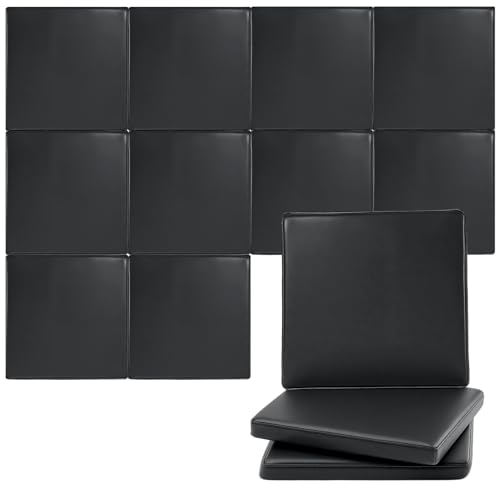
- 2-inch memory foam cushions stray balls and collisions
- PU leather surface wipes clean and resists stains
- Hook-and-loop strips help panels sit tightly together
Best For: Thicker, cleaner-looking impact padding for simulator spaces
Lightweight Coverage Pack
12-Piece Golf Simulator Wall Panel Set
- 12 panels cover 32.3 sq. ft. of simulator space
- 1.2-inch foam is aimed at lighter impact protection
- Includes extra hook-and-loop straps for replacement
Best For: Larger coverage with a lighter, easy-install panel design
Quick-Mount Foam Panels

- 2-inch foam helps absorb impacts and reduce noise
- Velcro backing supports wall or ceiling mounting
- PU leather surface is water-resistant and easy to wipe
Best For: Fast-install protection for garages, enclosures, and simulator rooms
Budget-Friendly Foam Tile Set – 12 Pcs 20×20 Wall Padding
If you want golf simulator ceiling protection foam tiles that are simple to install and easy to wipe clean, this 12-piece set is a practical place to start. The 20 x 20 inch panels use a layered design with a water-resistant synthetic leather surface and cushioned foam core, making them a versatile option for home simulator setups that need basic impact protection without a full room overhaul.
Best For: Home golfers who want an affordable, ready-to-use foam tile solution for walls or ceilings.
Pros:
- 12 panels cover 32.3 sq. ft. for broader protection.
- Water-resistant PU leather surface wipes clean easily.
- High-resilience foam helps absorb impact and reduce noise.
- Includes 48 hook-and-loop straps for installation and replacement.
Cons:
- 1.2-inch thickness is lighter duty than the 2-inch version.
- Coverage may be limited for larger simulator enclosures.
This set makes sense if you need a straightforward foam tile package that balances protection, simplicity, and value. It is less heavy-duty than thicker alternatives, but the included accessories and easy-clean surface make it a solid everyday choice.
Premium Modular Wall System – SIGPRO 2×1 Tile
For golfers comparing golf simulator ceiling protection foam tiles, this SIGPRO panel is built as a premium modular option with a 3-1/16 inch memory foam core and durable vinyl covering. Its compact 2 x 1 foot format is designed for customizable wall or ceiling layouts, making it easy to frame an impact screen or add protection exactly where your simulator room needs it.
Best For: Golfers and simulator builders who want a professional-looking modular padding system for custom coverage.
Pros:
- 3-1/16-inch memory foam offers strong impact absorption.
- Durable vinyl finish gives a clean, professional look.
- Modular sizing supports customized wall and ceiling layouts.
- Firm backing is made for Velcro or adhesive mounting.
Cons:
- Mounting hardware is not included.
- Sold as a single panel, so full coverage requires multiple units.
This is a strong pick if you want a polished, flexible system rather than a prebuilt bundle. The combination of dense foam, vinyl, and modular sizing makes it well suited to both home and commercial simulator spaces.
Heavy-Duty 6-Piece Foam Pad Set – 3 Inch Thick Panels
If your priority is thicker golf simulator ceiling protection foam tiles, this 6-pack stands out with 3-inch memory foam panels and a PU leather surface. The pads are sized for a 2 x 3 grid, giving you a compact but substantial cushioning solution that helps absorb hard ball strikes while also reducing echo in louder practice spaces.
Best For: Simulators, garages, or training areas that need thicker impact protection and noise control.
Pros:
- 3-inch thick memory foam absorbs high-velocity impact.
- PU leather surface is water-resistant and easy to clean.
- Self-adhesive velcro installation simplifies mounting.
- Black matte finish helps reduce reflections from projector light.
Cons:
- Coverage is limited to a 6-panel pack.
- Each panel is slightly under 20 inches square, not a full 20 x 20.
This set is a good fit when impact absorption matters more than covering a large area. It combines thick foam, easy installation, and a low-reflection finish, which makes it especially useful in simulator rooms where both safety and image quality matter.
Flexible Mid-Size Modular Panel – SIGPRO 3×1 Tile
This SIGPRO 3 x 1 panel is another premium option for golf simulator ceiling protection foam tiles, but with a longer format that can help fill vertical or horizontal runs more efficiently. Like the rest of the SIGPRO line, it uses a 3-1/16 inch memory foam build with durable vinyl, giving you a clean, durable panel that can be mounted on walls or ceilings for a tailored simulator layout.
Best For: Sim rooms that need a longer modular panel for custom wall or ceiling coverage.
Pros:
- 3-1/16-inch memory foam provides heavy-duty protection.
- Long 3 x 1 format supports flexible room layouts.
- Durable vinyl finish looks polished and resists wear.
- Can be installed on walls or ceilings with Velcro or adhesive.
Cons:
- Mounting materials are not included.
- Single-panel format means larger projects need multiple purchases.
If you want modular protection with a slightly different shape than the 2 x 1 version, this panel gives you more layout flexibility. It is a strong choice for builders who care about durability, appearance, and a customized fit around the hitting area.
Ceiling-Ready Wall Pad Set – 12 Pack Golf Wall Padding 20"x20"x2"
If you are comparing golf simulator ceiling protection foam tiles, this 12-pack gives you thick, cushioned panels that can be used to shield high-impact areas around a sim space. The 20 x 20 x 2 inch format makes it easy to cover a larger zone, while the PU leather surface and foam core are built for impact absorption and easy cleaning.
Best For: Home golf sim setups that need flexible, tool-free padded coverage for walls or ceiling-adjacent protection.
Pros:
- 12 panels cover 32.3 sq. ft., which is useful for broader protection zones.
- High-resilience foam and plush lining help absorb impact and reduce noise.
- Water-resistant PU leather surface is easier to wipe down after use.
- Includes 48 hook-and-loop fasteners for secure, replacement-friendly mounting.
Cons:
- Primarily described as wall padding, so ceiling-specific installation may need planning.
- The 12-pack may be more coverage than smaller practice areas require.
Overall, this is a practical padded-panel option if you want versatile protection around a simulator without permanent wall modification. The included fasteners and durable surface make it a straightforward setup for repeated training sessions.
Impact Protection Value Set – 12 Pcs Golf Wall Padding Panels
For buyers shopping golf simulator ceiling protection foam tiles, this 12-piece panel set is built around impact absorption, sound dampening, and simple installation. Each 20 x 20 x 2 inch panel combines a PU leather surface with a high-rebound memory foam interior, making it a solid choice for protecting nearby surfaces in a simulator room or garage.
Best For: Budget-conscious buyers who want padded wall protection for a home simulator, playroom, or garage.
Pros:
- 12-pack offers strong value and enough panels for a substantial coverage area.
- Memory foam interior helps absorb wayward ball impact and reduce injury risk.
- Designed to reduce echo and impact sounds for quieter practice sessions.
- Hook-and-loop backing allows quick, tool-free installation on clean surfaces.
Cons:
- Product notes include mixed included-component details, so confirm pack count before ordering.
- Best suited to wall-style protection rather than a dedicated ceiling-mount system.
This set makes sense if you want straightforward padded coverage without extra installation work. It is especially appealing when the goal is safer practice with less noise in a multipurpose room.
Compact Practice Zone Panels – 6 Pack Golf Wall Padding 20"x20"
If you only need a smaller amount of golf simulator ceiling protection foam tiles, this 6-pack is designed for targeted coverage instead of full-room padding. Each 20 x 20 x 2 inch panel uses a high-resilience foam core with a synthetic leather surface, giving you a compact way to guard corners, training spots, or other high-risk areas.
Best For: Smaller simulator setups that need targeted impact protection and noise reduction.
Pros:
- 6 panels cover about 16.2 sq. ft., which is ideal for smaller spaces.
- High-resilience foam rebounds quickly and is described as odor-free.
- Water-resistant synthetic leather surface is easy to wipe clean.
- Includes 24 hook-and-loop fasteners for stable installation and replacements.
Cons:
- Less total coverage than the 12-pack options.
- Best for targeted protection, not large-area enclosure coverage.
This is the most space-conscious option in the group and works well when you want protection only where shots are most likely to stray. The smaller pack size can be a better fit for compact practice rooms or selective padding needs.
Memory-Foam Impact Padding – Hahafelt Golf Wall Padding
If you want golf simulator ceiling protection foam tiles or wall padding that feels more premium, this Hahafelt set uses 2-inch memory foam with a smooth PU leather surface to cushion stray balls and accidental contact. The panels are sized for simulator enclosures and are made to wipe clean easily, which helps in high-use indoor setups.
Best For: Simulator owners who want thicker memory-foam protection with a polished, easy-clean finish.
Pros:
- 2-inch memory foam helps absorb impact and retain shape over time
- PU leather exterior is waterproof and easy to wipe clean
- Hook-and-loop backing helps reduce gaps between panels
- Also suitable for gyms, playrooms, and batting cages
Cons:
- Set includes six panels, so larger coverage may require multiple packs
- Heavier build may be more than you need for light-duty protection
- Installation may require nails, tape, or strong adhesive for the hook strips
This is a solid pick if durability and a cleaner finished look matter more than ultra-thin coverage. The thicker foam and wipeable surface make it a practical choice for frequent simulator use.
Lightweight Coverage Pack – 12-Piece Golf Simulator Wall Panel Set
For golf simulator ceiling protection foam tiles or wall coverage that focuses on lighter impact control, this 12-piece set uses 1.2-inch high-resilience foam and a PU leather surface. The panels are designed for quick setup, easy cleaning, and broad coverage, making them a practical fit for home simulator spaces.
Best For: Buyers who want a larger, lighter-weight panel set for general simulator protection.
Pros:
- 12 panels cover 32.3 sq. ft. for broader coverage
- 1.2-inch thickness is suited to lighter impact protection
- Water-resistant synthetic leather surface wipes clean easily
- Includes extra hook-and-loop straps for replacement use
Cons:
- Thinner panels are less heavy-duty than 2-inch options
- Listed as non-memory foam, so feel differs from softer memory-foam pads
- Included components and product details are somewhat mixed in the listing
This set makes sense when you need more square footage without going to a bulky panel. It is a straightforward, ready-to-install option for casual to moderate simulator protection.
Quick-Mount Foam Panels – 6 Pack Golf Enclosure Padding
If you need golf simulator ceiling protection foam tiles or wall pads that are simple to mount, this 6-pack uses 20 x 20 x 2-inch high-resilience foam with a PU leather surface. The panels are built for impact absorption, noise reduction, and quick installation, which makes them useful for garages, enclosures, and indoor sports areas.
Best For: Home or commercial setups that want thicker foam with fast Velcro-based installation.
Pros:
- 2-inch high-resilience foam offers stronger impact protection
- PU leather exterior is water-resistant and easy to clean
- Velcro strips with adhesive backing support wall or ceiling mounting
- Also helps reduce bounce-back noise indoors
Cons:
- Only six panels are included, so coverage is limited
- No warranty is listed
- May be more than needed for very light protection needs
This is a practical all-around choice when you want a thicker pad that installs quickly. It balances protection, noise control, and a clean indoor-friendly finish.
How We Picked the Best Golf Simulator Ceiling Protection Foam Tiles
We prioritized impact absorption, foam density, panel thickness, surface durability, and coverage per pack. For Golf Simulator Ceiling Protection Foam Tiles, a strong outer surface and reliable mounting matter as much as cushioning, especially in rooms with limited clearance.
Quick Comparison
Thicker pads generally offer more protection, while thinner panels can be easier to place across wider areas. Larger pack counts improve coverage value, and PU leather surfaces usually clean up better than bare foam. If you need both ceiling and wall safety, look for panels that can handle repeated contact without sagging or peeling.
Key Buying Factors for Golf Simulator Ceiling Protection Foam Tiles
Thickness and Foam Type
Thicker panels typically provide more confidence near swing paths and impact zones. High-density foam and memory foam blends can help balance cushioning with shape retention over time.
Surface Material
PU leather or similar wrapped finishes are useful because they resist wear and are easier to wipe down than exposed foam. This is especially important in high-traffic home simulator rooms.
Coverage and Layout
Measure your ceiling and wall danger zones before buying. Some packs cover enough space for a full overhead run, while others work better as targeted protection above the hitting area or near the enclosure frame.
Installation and Fit
Check panel dimensions, weight, and the mounting method you plan to use. Uniform sizes make it easier to create a clean grid and avoid gaps in protection.
Who Should Buy Which Golf Simulator Ceiling Protection Foam Tiles?
Choose thicker, higher-density panels if you have a compact room, a low ceiling, or a fast swing speed. Go with larger-coverage packs if you are lining both the ceiling and the side walls. If you want a cleaner premium look, prioritize wrapped surfaces and matched panel sizing. For budget-conscious buyers, a smaller pack of well-made Golf Simulator Ceiling Protection Foam Tiles can still deliver solid protection in the highest-risk zones.
In short, focus on the combination of thickness, finish, and total coverage rather than foam alone. The best setup is the one that fits your room, your swing, and the areas most likely to take a hit.