The best camping cots for backpacking give you a raised, more comfortable sleeping platform without adding unnecessary bulk to your pack. The right model balances weight, packed size, setup time, support, and sleeping comfort.
We compared 10 popular options across those practical criteria to help you choose a cot that fits your body, campsite, and preferred style of travel.
Best 10 Camping Cots for Backpacking Picks for 2026
Best Ultralight Pick
MARCHWAY Ultralight Folding Cot

- About 4.9 pounds with compact 15.7-by-6.9-inch storage
- Supports up to 275 pounds
- Shock-cord setup with aluminum frame and ripstop nylon
Best For: Backpackers seeking a lightweight, compact cot
Best High-Capacity Option
ONETIGRIS SUPRAGRIS Camping Cot
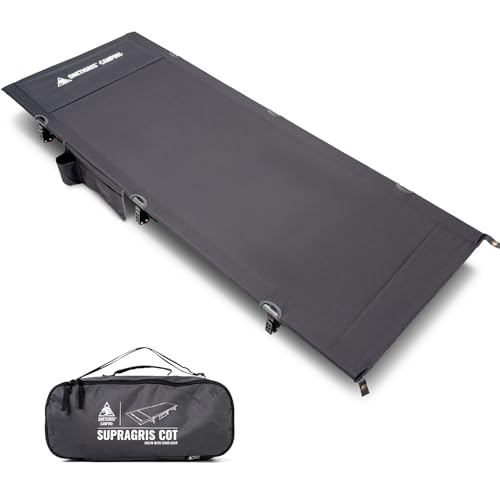
- Supports up to 396 pounds
- 27.5-inch-wide sleeping surface
- 5.7-pound 7075 aluminum frame with storage pockets
Best For: Larger backpackers who want extra width and capacity
Best Car-Camping Value
Coleman Trailhead II Folding Cot

- Wide 73-by-35-inch sleeping surface
- Supports up to 300 pounds and users up to 6 feet 2 inches
- Steel frame folds for car-trunk transport
Best For: Car camping and base camps rather than long backpacking trips
Best Soft-Fabric Comfort

- Soft, breathable ripstop polyester sleeping surface
- 7075 aircraft aluminum frame supports up to 330 pounds
- Folding design includes a carry bag
Best For: Campers prioritizing fabric comfort and portable support
Best Adjustable-Height Cot

- Two height settings for varied terrain
- 330-pound capacity and wide sleeping area
- Storage pockets plus pillow pocket
Best For: Backpackers prioritizing comfort and height flexibility
Best Lightweight High-Capacity Cot
ONETIGRIS SUPRAGRIS Camping Cot

- 5.7-pound design supports up to 396 pounds
- Wide sleeping surface for added comfort
- Durable fabric and included stuff sack
Best For: Larger backpackers needing a lighter carry option
Best Full-Size Comfort Cot
MIKKUPPA Backpacking Camping Cot

- Long 77.2-inch sleeping surface
- 350-pound capacity with 800D fabric
- Includes inflatable pillow and storage pockets
Best For: Adults wanting extra length and adjustable clearance
Best Value
Sutekus Ultralight Portable Camping Cot

- 4.7 pounds and supports up to 330 pounds
- Packs down to about 7 by 14 inches
- Ten contact points and a side pocket
Best For: Backpackers seeking compact storage and higher weight capacity
Best for Easy Setup
MARCHWAY Ultralight Folding Cot

- Shock-cord poles provide tool-free assembly
- Aircraft-grade aluminum frame supports 275 pounds
- Five cross rods and ten feet improve support
Best For: Backpackers prioritizing simple setup and stable support
Best Basic Design
Sutekus Portable Backpacking Cot

- 330-pound capacity at 4.7 pounds
- 75-by-27.5-inch sleeping surface
- Compact fold and included storage bag
Best For: Campers wanting a roomy, straightforward cot
Best Ultralight Pick – MARCHWAY Ultralight Folding Cot
For backpackers prioritizing a low pack weight, the MARCHWAY is a practical choice among camping cots for backpacking. It weighs about 4.9 pounds, packs into a 15.7-by-6.9-inch stuff sack, and uses a shock-cord pole system for tool-free setup.
Best For: Backpackers and hikers who want a compact cot with a balance of portability, support, and off-ground sleeping comfort.
Pros:
- Lightweight aluminum-frame design weighs about 4.9 pounds.
- Supports up to 275 pounds with aircraft-grade aluminum and ripstop nylon.
- Five cross rods, ten anti-skid feet, and wide feet help improve stability.
- Compact stuff sack and quick setup suit trail and travel use.
Cons:
- Its 27.4-inch width may feel narrow for campers wanting a roomier bed.
- Hand washing is recommended for care.
The MARCHWAY stands out when packability matters most. It is lighter than many full-size cots while still providing a raised, supportive sleeping surface for backpacking, hiking, and base-camp trips.
Best High-Capacity Option – ONETIGRIS SUPRAGRIS Camping Cot
The ONETIGRIS SUPRAGRIS offers a wider sleeping surface and a high weight capacity without moving into traditional heavy-cot territory. At 5.7 pounds, it is a strong contender among camping cots for backpacking, especially for larger campers or anyone who values extra room.
Best For: Larger backpackers who want a 27.5-inch-wide cot rated to support up to 396 pounds.
Pros:
- 7075 aluminum alloy frame supports up to 396 pounds.
- Extra-wide 74.8-by-27.5-inch sleeping area offers more room than many folding cots.
- Water-, dirt-, and scratch-resistant 300D Oxford fabric is designed for durability.
- Side pockets and a pillow pocket keep small essentials and bedding within reach.
Cons:
- At 5.7 pounds, it is heavier than the lightest backpacking cots.
- Assembly is required and must follow the included instructions.
Choose the SUPRAGRIS when capacity and sleeping space take priority over shaving every ounce. Its compact storage, practical pockets, and robust frame also make it useful in tents, vans, and at base camp.
Best Car-Camping Value – Coleman Trailhead II Folding Cot
The Coleman Trailhead II is a sturdy, full-size cot intended more for vehicle-based camping than long-distance backpacking. Its steel cross-bar frame supports up to 300 pounds, while the 73-by-35-inch bed accommodates adults up to 6 feet 2 inches.
Best For: Car campers, guests, and base-camp sleepers who want a spacious elevated bed and do not need a lightweight trail setup.
Pros:
- Spacious 73-by-35-inch sleeping surface.
- Supports adults up to 300 pounds and 6 feet 2 inches.
- Strong cross-bar steel frame provides a sturdy structure.
- Folds for transport and includes a one-year limited warranty.
Cons:
- At 21.5 pounds, it is substantially heavier than backpacking-focused cots.
- Its folded size is designed to fit car trunks rather than hiking packs.
The Trailhead II is a sensible choice if your camping cot will travel by car. It delivers noticeably more width than ultralight models, but its steel construction and weight make it a poor fit for carrying deep into the backcountry.
Best Soft-Fabric Comfort – Overmont Portable Camping Cot
The Overmont Portable Camping Cot focuses on a softer sleeping feel while retaining a portable aluminum-frame design. Its upgraded ripstop polyester is described as breathable, tear-resistant, and water-resistant, making it an appealing option among camping cots for backpacking.
Best For: Backpackers and travelers who prefer a smoother, body-contouring fabric and need support up to 330 pounds.
Pros:
- Soft ripstop polyester is designed for comfort and quiet, stable sleep.
- Water-resistant and tear-resistant fabric suits outdoor use.
- 7075 aircraft aluminum frame supports up to 330 pounds.
- Folding design and carry bag support travel, hiking, and beach use.
Cons:
- At about 2.4 kilograms, it is not the lightest cot in this roundup.
- The supplied dimensions are presented in an unusual format, so verify the packed and assembled measurements before buying.
The Overmont is worth considering when fabric comfort is a key part of your decision. It combines a durable aluminum frame with a softer polyester sleeping surface, though buyers should confirm its sizing details for their specific pack and shelter.
Best Adjustable-Height Cot – MOON LENCE Camping Cot
For campers comparing camping cots for backpacking, the MOON LENCE stands out for its adjustable height and broad sleeping surface. Its 7075 aluminum frame supports up to 330 pounds, while the included storage features help keep essentials organized.
Best For: Backpackers who want a wide cot with flexible height options for tents, wet ground, or bench use.
Pros:
- Dual-height design reaches 15.75 inches or lowers to 5.9 inches.
- Supports up to 330 pounds with a 7075 aluminum frame.
- Wide 74.8-by-27.5-inch sleeping surface with pillow pocket.
- Side pocket and under-cot mesh net provide useful storage.
Cons:
- At 4.3 kg, it is heavier than some ultralight backpacking cots.
- Assembly still requires reading and following the included instructions.
The MOON LENCE is a practical choice when comfort, width, and height adjustment matter more than minimizing pack weight. Its water-resistant fabric and elevated setting are especially useful in damp or uneven campsites.
Best Lightweight High-Capacity Cot – ONETIGRIS SUPRAGRIS Camping Cot
The ONETIGRIS SUPRAGRIS is a strong contender among camping cots for backpacking because it combines a 5.7-pound weight with a stated 396-pound capacity. Its compact rod-style structure, durable fabric, and carry sack suit campers who need portability without giving up sleeping space.
Best For: Backpackers and larger campers seeking a lightweight, wide cot with high load capacity.
Pros:
- Weighs 5.7 pounds while supporting up to 396 pounds.
- Wide 74.8-by-27.5-inch sleeping surface.
- 300D Oxford fabric resists dirt, water, and scratches.
- Includes pillow pocket, side pockets, and a large stuff sack.
Cons:
- Assembly is required, even though the rod structure is designed for quick setup.
- Its 18-centimeter height may offer less clearance than taller cots.
With an unusually high stated weight limit for its weight class, the SUPRAGRIS is well suited to backpackers who want a compact carry option and a roomy sleep platform. The integrated pockets add convenience inside a tent or van.
Best Full-Size Comfort Cot – MIKKUPPA Backpacking Camping Cot
For shoppers evaluating camping cots for backpacking, the MIKKUPPA offers a full-size 77.2-inch sleeping area, dual-height adjustment, and a 350-pound capacity. It also includes an inflatable pillow and packs into a carry bag for transport.
Best For: Adult campers who want extra length, built-in comfort accessories, and adaptable ground clearance.
Pros:
- 77.2-inch length accommodates adults up to 6 feet 2 inches.
- Dual-height design provides 15-inch or 7.09-inch setups.
- 800D Oxford fabric and 7075 aluminum frame support up to 350 pounds.
- Includes an inflatable pillow, pillow pocket, side pocket, and carry bag.
Cons:
- At 10 pounds, it is heavier than the ONETIGRIS option.
- Setup involves three assembly steps and attaching multiple components.
The MIKKUPPA emphasizes full-size sleeping comfort and useful accessories rather than minimum trail weight. Its adjustable height and durable materials make it a versatile choice for camping, travel, or backup sleeping use.
Best Value – Sutekus Ultralight Portable Camping Cot
For shoppers comparing camping cots for backpacking, this Sutekus model offers a useful balance of packability, weight capacity, and off-ground comfort. It weighs 4.7 pounds, supports up to 330 pounds, and packs down to approximately 7 by 14 inches for carrying in a backpack.
Best For: Backpackers who want a compact cot with a relatively high weight capacity and convenient storage features.
Pros:
- 4.7-pound aluminum cot supports up to 330 pounds.
- Compact folded size fits easily into a backpack.
- Ten ground contact points help distribute weight and improve stability.
- Includes a side pocket for small personal items.
Cons:
- Inserting the brackets into the slots requires extra effort during setup.
- At 7.1 inches high, it offers limited clearance beneath the cot.
This is a practical choice when carrying capacity matters as much as portability. Its tool-free design and quick disassembly are helpful on the trail, while the off-ground construction separates you from hard or wet ground.
Best for Easy Setup – MARCHWAY Ultralight Folding Cot
The MARCHWAY folding cot is a strong option for camping cots for backpacking when straightforward assembly is a priority. Its shock-cord pole system, aircraft-grade aluminum frame, and 4.9-pound packed weight make it suited to hikers who want a portable sleeping platform without tools.
Best For: Backpackers and trekkers who value quick setup, supportive construction, and stable feet on varied ground.
Pros:
- Shock-cord pole system enables tool-free setup.
- Aircraft-grade aluminum frame and ripstop nylon fabric support up to 275 pounds.
- Packs into a 15.7-by-6.9-inch stuff sack.
- Five cross rods help reduce sag, while ten anti-skid feet add stability.
Cons:
- Its 275-pound capacity is lower than some comparable cots.
- The 4.8- to 4.9-pound weight may be noticeable for ultralight backpackers.
Choose this cot if a familiar tent-pole-style setup sounds more appealing than assembling separate brackets and poles. The off-ground design and wide, non-marring feet also make it useful inside tents or on uneven surfaces.
Best Basic Design – Sutekus Portable Backpacking Cot
This basic Sutekus cot keeps the essentials in focus for anyone comparing camping cots for backpacking: a 4.7-pound aluminum frame, a 330-pound capacity, and a compact folded form. The 75-by-27.5-inch sleeping surface provides useful room while the raised design helps keep you off hard and wet ground.
Best For: Campers who want a straightforward, roomy cot with high stated weight capacity and no-tool assembly.
Pros:
- Supports up to 330 pounds while weighing 4.7 pounds.
- 75-by-27.5-inch sleeping surface offers generous length and width.
- Ten ground contact points help distribute weight for stability.
- Folds to about 7 by 14 inches and includes a storage bag.
Cons:
- Bracket insertion can require extra effort during assembly.
- The basic design has limited listed features beyond the side pocket and frame.
This model is a sensible pick for shoppers who prefer a simple, functional cot over a more specialized design. It packs compactly, sets up without tools, and adds a side pocket for keeping small essentials close at hand.
How We Picked the Best Camping Cots for Backpacking
We focused on the features that matter most when carrying sleep gear beyond the trailhead: overall weight, folded dimensions, claimed weight capacity, frame stability, setup design, and sleeping-surface comfort. We also considered useful details such as adjustable height, leg extenders, pillow pockets, and whether a cot is better suited to minimalist backpacking or car camping.
Weight ratings and dimensions are manufacturer claims, so check the current product listing before buying. A cot’s real-world suitability also depends on your sleeping pad, shelter dimensions, and the terrain where you plan to use it.
Quick Comparison
| What to Compare | Why It Matters |
|---|---|
| Packed weight | Determines how noticeable the cot is in a backpack. |
| Weight capacity | Provides a safety margin for your body weight and gear. |
| Packed size | Must fit inside or securely attach to your pack. |
| Frame and legs | Affects stability, durability, and setup effort. |
| Sleeping height | Improves access and ventilation but may require more shelter space. |
Key Buying Factors for Camping Cots for Backpacking
Weight and Packability
For multi-mile trips, prioritize the lightest cot that still supports you comfortably. A compact folding design is easier to carry, but verify its packed length as well as its weight. Some models fit better externally on a backpack than inside one.
Capacity and Sleeping Surface
Choose a cot with a weight rating comfortably above your body weight, especially if you keep gear on the bed. Check the usable length and width if you are tall, broad-shouldered, or a restless sleeper. A narrow cot can save weight but may feel restrictive.
Stability and Setup
Strong frame joints, secure legs, and a taut fabric deck help prevent sagging and movement. Practice assembly at home before a trip. A cot that is difficult to tension or collapse can be frustrating in cold, wet, or dark conditions.
Height, Comfort, and Shelter Fit
Raised cots keep you off cold or uneven ground and can improve airflow. However, taller designs need more headroom and may not fit comfortably inside small backpacking tents. Use a sleeping pad for insulation and cushioning unless the manufacturer specifically recommends otherwise.
Who Should Buy Which Camping Cots for Backpacking?
- Ultralight backpackers: Choose a compact, low-weight model and accept a narrower sleeping platform.
- Taller or heavier sleepers: Look for a longer cot, wider deck, and generous capacity rating.
- Comfort-focused campers: Consider height-adjustable legs or a design that pairs well with a thick sleeping pad.
- Occasional campers and travelers: Favor simple setup, durable fabric, and a manageable packed size over minimum weight.
- Car campers: A larger, sturdier cot may be worthwhile even if it is too bulky for serious backpacking.
Before ordering, compare the cot’s packed measurements with your backpack and tent, then confirm the latest weight and capacity specifications. That quick check can prevent the most common fit and portability problems.