The best golf training aids turn unfocused practice into repeatable, measurable work. Whether you want a faster swing, better alignment, cleaner contact, or a way to practice at home, the right tool can target a specific weakness without replacing professional instruction.
We selected 10 options across launch monitoring, swing training, grip correction, impact feedback, hitting mats, alignment, and backyard practice so you can match your budget and training space to your goals.
Best 10 Golf Training Aids Picks for 2026
Tempo Builder
Callaway Swing Stick Lag Trainer

- Practices swing tempo and timing
- Useful for warmups and flexibility work
- 37.5-inch, golf-bag-friendly design
Best For: Golfers seeking a simple portable swing-tempo trainer
Data-Driven Practice
Garmin Approach R10 Launch Monitor
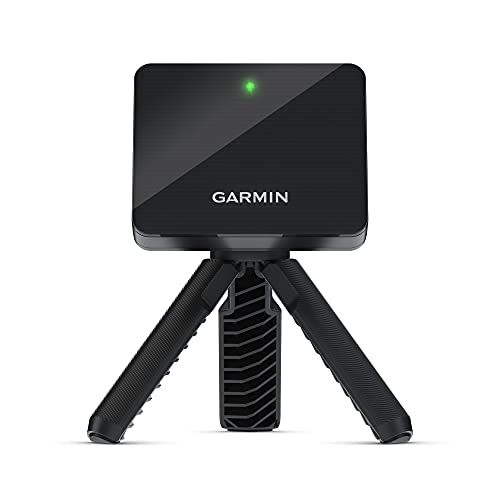
- Tracks swing and ball-flight metrics
- Works indoors, at home, or on the range
- Up to 10 hours of battery life
Best For: Golfers wanting app-based practice data and swing analysis
Rhythm Coach
Cusprtm Golf Rope Swing Trainer

- Encourages smoother tempo and sequencing
- Soft foam head supports fearless practice
- Includes grip options and a storage bag
Best For: Golfers practicing rhythm, lag, and warmup movement
Alignment Practice
Seticek Foldable Alignment Sticks

- Helps check stance, posture, and aim
- Useful for swing, putting, and short-game drills
- Folds to 17 inches for golf-bag storage
Best For: Beginners building consistent alignment and setup habits
Grip Fundamentals

- Guides hands into a neutral grip position
- Fits standard grips from driver to wedge
- Compact for practice and warm-ups
Best For: Right-handed golfers working on grip consistency
Impact Feedback

- Shows toe, center, or heel impact patterns
- Non-slip rubber base for indoor or outdoor use
- Includes a replaceable practice surface
Best For: Compact home practice and strike feedback
Swing Synchronization

- Promotes a one-piece takeaway
- Works for right- and left-handed golfers
- Folds to about wallet size
Best For: Practicing connected arms-and-body movement
Best with Extra Features

- 180 stickers for irons, woods, and putters
- Blue marks show clubface contact
- Compact aid for swing analysis
Best For: Golfers analyzing contact and sweet-spot consistency
Tempo Training Pick
Retractable Golf Swing Trainer

- Click feedback supports tempo practice
- Grip trainer reinforces hand placement
- Compact for indoor or on-the-go use
Best For: Golfers practicing grip, rhythm, and swing fundamentals
Full-Setup Practice Pick

- 10-by-7-foot net with multiple targets
- Includes mat, balls, tee, stakes, and bag
- Supports indoor and outdoor hitting practice
Best For: Golfers building a home driving and chipping station
Tempo Builder – Callaway Swing Stick Lag Trainer
For golfers comparing golf training aids focused on swing timing, the Callaway Swing Stick Lag Trainer offers a simple way to practice tempo and warm up before a round. Its 37.5-inch length is similar to a 6-iron, and it fits in a golf bag for convenient use at home or the course.
Best For: Golfers who want a portable tool for swing-tempo practice, warmups, and flexibility work.
Pros:
- Helps practice swing tempo and timing for more consistent shots.
- Can be used to loosen up before a round and support flexibility development.
- 37.5-inch design simulates the feel of lag in a golf swing.
- Fits in a golf bag and has a rubber grip with ambidextrous use.
Cons:
- Provides practice feedback rather than measured swing or ball-flight data.
- Plastic construction may offer less club-like resistance than a weighted training aid.
This is a straightforward choice for golfers who prefer a compact, nontechnical tempo trainer. It is especially useful as a pre-round warmup or repeatable swing drill.
Data-Driven Practice – Garmin Approach R10 Launch Monitor
Among golf training aids, the Garmin Approach R10 stands out for golfers who want trackable practice data. Used at home, indoors, or on the driving range with a compatible smartphone and the Garmin Golf app, it monitors metrics such as club head speed, ball speed, swing tempo, spin, and launch angle.
Best For: Golfers who want portable launch-monitor metrics, swing video, and structured practice feedback.
Pros:
- Tracks key swing and ball metrics through the Garmin Golf app.
- Training mode provides club-by-club statistics and a shot-dispersion chart.
- Automatically recorded swing videos can include the metrics from each swing.
- Offers up to 10 hours of battery life and IPX7 waterproofing.
Cons:
- Requires a compatible smartphone for app-based tracking and analysis.
- Some features, including virtual rounds, require an active subscription.
- Listed accuracy has stated tolerances for club head speed, ball speed, and launch measurements.
The R10 is a strong fit for practice sessions where measurable feedback matters more than a purely physical drill. Its portable design and included phone mount make it practical for home or range use.
Rhythm Coach – Cusprtm Golf Rope Swing Trainer
Golfers looking for golf training aids that reinforce sequencing and tempo may prefer the Cusprtm Golf Rope. Its flexible design uses a whip effect to encourage a smoother transition, while the soft EVA foam tip provides audible and physical feedback during practice or warmups.
Best For: Golfers of different skill levels working on tempo, lag, speed, flexibility, and warmup routines.
Pros:
- Flexible rope encourages smoother transition and upper- and lower-body timing.
- Soft EVA foam head allows committed practice without the impact of a heavier tip.
- Offers molded and standard rubber grip options for different training preferences.
- Lightweight, portable design includes a storage bag.
Cons:
- Its flexible-rope feedback may require adjustment compared with a rigid training stick.
- The supplied notes do not specify a rope length or detailed grip dimensions.
This trainer is best suited to golfers who learn through motion and feedback rather than measurement. It can serve as a short pre-round routine or a compact tempo drill for home and range sessions.
Alignment Practice – Seticek Foldable Alignment Sticks
For golfers choosing golf training aids to improve setup and aim, the Seticek two-pack provides a simple visual reference. The 48-inch fiberglass sticks can support stance, posture, swing, short-game, putting, and alignment drills, then fold into three sections for storage.
Best For: Beginners and traveling golfers who want lightweight alignment and posture-training tools.
Pros:
- Supports alignment checks for shoulders, hips, feet, and target direction.
- Versatile for swing training, putting, short game, aiming, and posture drills.
- Folds from 48 inches to 17 inches and includes a storage tube.
- Lightweight fiberglass construction weighs 91 grams per stick and has pointed ends for ground use.
Cons:
- Requires a suitable surface when inserting the pointed ends into the ground.
- No warranty is listed in the supplied product details.
- Provides visual alignment guidance rather than swing-speed or ball-flight measurements.
This two-stick set is a practical starting point for building consistent setup habits. Its folding design makes it easier to carry than full-length alignment rods while retaining a 48-inch practice length.
Grip Fundamentals – SKLZ Golf Grip Trainer
The SKLZ Golf Grip Trainer is a focused choice among golf training aids for right-handed players who want more consistent hand placement. It attaches to standard grips from driver through wedge and provides immediate positioning guidance during practice or warm-ups.
Best For: Right-handed golfers building or reinforcing a neutral grip.
Pros:
- Guides fingers, thumbs, and palms into a neutral grip position.
- Works across standard-sized grips and all clubs in your bag.
- Compact, lightweight design is easy to carry for range practice or warm-ups.
- Supports repeated practice to build grip muscle memory.
Cons:
- Designed specifically for right-handed golfers.
- Fits standard grips, so compatibility may be limited with nonstandard grips.
This is a simple, targeted training aid rather than a full-swing system. It makes the most sense for players whose grip position is a priority and who value portable feedback between practice sessions.
Impact Feedback – COSPOPTIC Golf Hitting Mat
The COSPOPTIC Golf Hitting Mat is one of the more practical golf training aids for golfers who want visible feedback on strike location and swing path. Its rubber base is designed to stay in place indoors or outdoors, making it suitable for short practice sessions without a driving range.
Best For: Home, office, garage, or yard practice focused on impact feedback.
Pros:
- Impact surface helps show toe, center, or heel contact.
- Textured rubber backing helps limit sliding on several floor types.
- Includes a replaceable velvet surface for extended use.
- Lightweight 16-by-12-inch format is portable.
Cons:
- Its compact size is intended for impact practice rather than a full stance area.
- The supplied warranty description is limited to one month.
This mat is best viewed as a compact impact-feedback station. It offers useful visual information and flexible placement, especially when convenience matters more than a large hitting surface.
Swing Synchronization – Callaway Swing-Easy Trainer
The Callaway Swing-Easy Golf Swing Trainer is a portable option among golf training aids for reinforcing a one-piece takeaway. Its design helps keep the arms and body working together, and it can be used by both right- and left-handed golfers.
Best For: Beginners and players practicing synchronized takeaway mechanics.
Pros:
- Encourages a one-piece takeaway and arms-body connection.
- Works for right- and left-handed golfers of different sizes.
- Rolls to about wallet size for convenient transport.
- Suitable for golfers at all skill levels.
Cons:
- Focuses primarily on takeaway synchronization rather than broad swing analysis.
- Provides one swing band, so practice is centered on that specific drill.
This trainer is a good fit when you want a straightforward way to rehearse connected movement. Its foldable form and two-handed compatibility also make it convenient for keeping in a golf bag.
Best with Extra Features – Golf Impact Tape Labels
For golfers comparing golf training aids, these impact tape labels provide a simple way to see where the clubface contacts the ball. The blue marks can help you review contact patterns across irons, woods, hybrids, wedges, and putters during practice.
Best For: Golfers who want visual feedback on sweet-spot contact and swing consistency.
Pros:
- 180 stickers are divided among irons, woods, and putters.
- Clear blue impact marks make contact easier to analyze.
- Each sticker can capture approximately 6–10 impacts, according to the supplied notes.
- Designed for tear resistance and residue-free removal.
Cons:
- The set is listed for right-handed clubs.
- It provides feedback after contact rather than correcting swing mechanics on its own.
This is a compact, low-tech training option for golfers who want repeatable clubface feedback without a large setup. It works best when paired with deliberate swing adjustments and regular practice.
Tempo Training Pick – Retractable Golf Swing Trainer
This 5-in-1 golf swing trainer is a versatile choice among golf training aids, combining a grip trainer with a retractable shaft and click feedback. It is intended for no-ball practice indoors or outdoors, making it useful for warmups, tempo work, and repeated swing drills.
Best For: Beginners building fundamentals and experienced golfers refining grip, rhythm, and swing consistency.
Pros:
- Click feedback indicates when swing mechanics and timing are aligned.
- Ergonomic non-slip grip supports hand-placement practice.
- At 0.7 pounds and 15.5 inches collapsed, it is easy to carry in a golf bag or backpack.
- Stainless steel shaft, reinforced resin head, and rubber grip are designed for repeated practice.
Cons:
- The supplied notes specifically describe the grip trainer as designed for right-handed golfers, despite the product title mentioning both handedness.
- It cannot replicate full ball-flight feedback because practice does not require a ball.
The retractable format makes this a practical everyday trainer for golfers with limited space. Its strongest value is guided repetition: users can work on grip and tempo consistently without needing a range or hitting net.
Full-Setup Practice Pick – Golf Net and Mat
For golfers seeking golf training aids that support actual hitting practice, this 10-by-7-foot net combines multiple targets with a 3-in-1 turf mat. The included balls, tee, stakes, and carrying bag create a convenient setup for driving, chipping, and swing practice indoors or outdoors.
Best For: Golfers who want a home practice station for hitting and target-focused drills.
Pros:
- Central target and four target pockets encourage accuracy practice.
- Includes a turf mat, five golf balls, rubber tee, ground stakes, and carrying bag.
- Designed for backyard, garage, basement, patio, driveway, or living-room use.
- Foldable design and included accessories support setup and storage.
Cons:
- Its 9.5-pound weight makes it less portable than compact swing aids.
- Indoor use requires sufficient clearance and a suitable safe hitting area.
- The listed warranty is one month.
This set is the most complete option of the three for golfers who want to hit balls at home. Its target layout adds more structure than a plain net, while the larger footprint means buyers should measure their practice space before ordering.
How We Picked These Golf Training Aids
We focused on tools that address common practice needs and offer a clear purpose rather than novelty features alone. The selection includes compact aids for warmups and technique work, feedback tools for contact and swing path, and larger setups for hitting full shots at home. We also considered portability, compatibility with common clubs, setup requirements, durability, and whether each product suits beginners, improving players, or more advanced golfers.
Because training aids cannot correct every flaw automatically, the most useful options are those that provide understandable feedback or encourage a repeatable motion. Players should still verify major swing changes with a qualified instructor when possible.
Quick Comparison
| Training goal | Best aid type | What to look for |
|---|---|---|
| Launch and shot data | Portable launch monitor | Metrics, battery life, indoor requirements, and app support |
| Swing speed and tempo | Swing stick, rope, or tempo trainer | Resistance, feedback, portability, and safe clearance |
| Alignment and aim | Alignment sticks | Visibility, length, storage, and versatility |
| Grip and hand position | Grip trainer | Club compatibility and the ability to reinforce neutral positioning |
| Contact and swing path | Impact tape or feedback mat | Readable feedback, replacement supplies, and stable construction |
| Full-shot practice | Hitting mat and golf net | Net dimensions, impact protection, stability, and available space |
Key Buying Factors for Golf Training Aids
Choose One Specific Training Outcome
Start with the problem you can describe clearly. Alignment sticks help with setup and aim, grip trainers reinforce hand placement, and impact stickers show where the clubface meets the ball. A launch monitor offers broader information but may cost more and require additional space or an app.
Match the Aid to Your Practice Space
Portable trainers work well in apartments, garages, and warmup areas. Nets and mats need more room, a safe hitting direction, and a reliable way to absorb repeated strikes. For indoor use, confirm ceiling height, ball containment, lighting, and whether the device needs a specific type of ball or reflective marker.
Consider Feedback Quality and Repeatability
Simple visual feedback is often enough for beginners, while experienced players may value club speed, carry distance, spin, or launch data. Whichever format you choose, use the same drills and conditions regularly so changes are easier to interpret.
Check Durability and Ongoing Costs
Look for reinforced mats, stable bases, replaceable surfaces, durable netting, and consumables that are easy to reorder. Impact stickers and practice balls are recurring costs; a launch monitor may involve optional software or subscription features.
Who Should Buy Which Golf Training Aids?
- Beginners: Start with a grip trainer, alignment sticks, or a simple tempo aid that builds fundamentals without overwhelming you with data.
- Players working on contact: Choose impact tape or a swing-path feedback mat to make strike patterns visible.
- Speed and tempo-focused golfers: A rope, swing stick, or dedicated tempo trainer can support warmups and repeatable movement.
- Data-driven golfers: A portable launch monitor is the strongest choice when you have a safe practice area and will use the measurements consistently.
- Home practitioners: Pair a stable hitting mat with a properly sized net, allowing enough clearance behind and around the setup.
The best Golf Training Aids are not necessarily the most expensive. Choose the tool that targets your current limitation, fits your available space, and makes it easy to practice correctly and consistently.