The best compact sleeping pads balance packability, insulation, comfort, and dependable inflation. This roundup compares 10 options for backpackers, campers, and anyone who needs a sleep system that saves space without sacrificing rest.
From folding foam designs to thick inflatable mats with built-in pumps, these pads suit different conditions and sleeping preferences. Use the guide below to narrow your choice by warmth, packed size, weight, and ease of setup.
Best 10 Compact Sleeping Pads Picks for 2026
Best All-Season Value
Gear Doctors Oxylus 4.3 R-Value Self-Inflating Pad
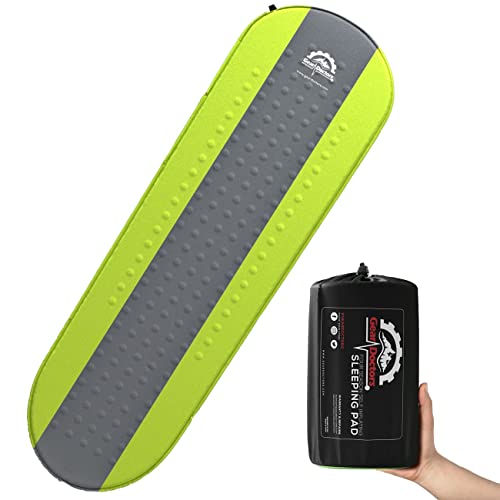
- 4.3 R-value for added insulation
- Self-inflates in under five minutes
- Packs to about 8 x 12 inches
Best For: Campers seeking insulated, easy-to-use cushioning
Best Plush Comfort
Pretyw 4-Inch Pad with Pillow and Foot Pump

- Four-inch thickness with built-in pillow
- Inflates in about 30–60 seconds
- Folds to a 10 x 4-inch carry size
Best For: Campers wanting maximum cushioning and convenience
Best Ultralight Simplicity
Therm-a-Rest Z Lite Original Foam Pad

- Weighs just 13.6 ounces
- Folds accordion-style for quick packing
- Durable closed-cell foam needs no inflation
Best For: Minimalist backpackers and mountaineers
Best Fast Foot-Pump Setup
MOXILS Ultralight Inflatable Sleeping Pad

- Built-in foot pump inflates in about 20 seconds
- Waterproof nylon and TPU construction
- Side buttons connect pads into a larger bed
Best For: Campers wanting quick, cushioned inflatable comfort
Thick-Comfort Pick
OGERY 6-Inch Inflating Sleeping Pad

- 6-inch thickness with built-in pillow
- Built-in foot pump and dual-layer valves
- Packs to 5.9 x 5.9 x 11 inches; weighs 2.4 pounds
Best For: Campers wanting extra cushioning and simple foot-pump inflation
Simple Foam Value
Fold Sleeping Pad for Camping and Backpacking

- High-density closed-cell XPE foam
- Folds for quick packing and storage
- Water-resistant design for outdoor use
Best For: Campers wanting simple, low-maintenance ground insulation
Ultralight Inflatable Pick
Gear Doctors Ether 17.5oz Sleeping Pad

- Weighs 17.5 ounces and packs very small
- Detachable foot pump inflates it in under 90 seconds
- 2-R-value pad with contoured ErgoCushion design
Best For: Warm-weather backpackers prioritizing minimal packed weight
Best Quick-Setup Pick
Amazon Basics Foot-Pump Sleeping Pad

- Inflates in under 60 seconds with a built-in foot pump
- Weighs 1.4 pounds and packs to 12 x 4 x 4 inches
- Water-resistant 2.2-inch design for hiking and camping
Best For: Lightweight backpacking and fast campsite setup
Best Thick Air Pad
TOBTOS 6-Inch Inflatable Sleeping Pad
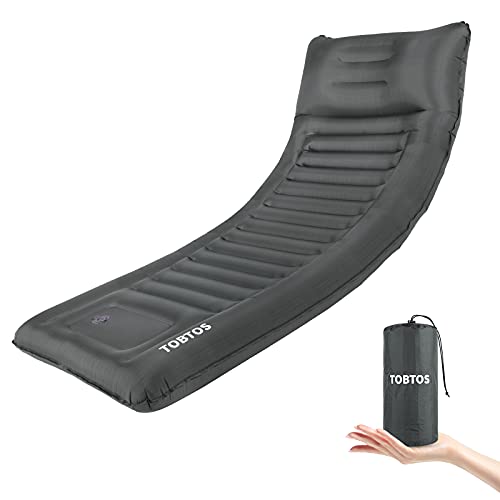
- Inflates to 6 inches thick with a 28-inch width
- Built-in pillow and raised sides support comfortable positioning
- Folds to 10.6 x 4.7 inches and weighs 2.36 pounds
Best For: Comfort-focused camping and sleepers wanting extra cushioning
Best All-Season Value – Gear Doctors Oxylus 4.3 R-Value Self-Inflating Pad
For shoppers comparing compact sleeping pads, the Gear Doctors Oxylus stands out as a self-inflating foam-and-air hybrid with a 4.3 R-value. It packs to about 8 x 12 inches, weighs 35.2 ounces, and expands to a 72 x 20-inch, 1.5-inch-thick sleeping surface.
Best For: Backpackers and campers who want insulated cushioning, simple setup, and broad three-season-to-four-season versatility.
Pros:
- Self-inflates in under five minutes, with manual pressure adjustment available.
- 4.3 R-value helps provide insulation on cold or uneven ground.
- 75D coated polyester shell is described as water-resistant, leak-proof, and abrasion-resistant.
- Includes an elastic band for easier packing, plus a lifetime replacement guarantee.
Cons:
- At 35.2 ounces, it is considerably heavier than ultralight closed-cell foam options.
- Its packed size is larger than the smallest air pads.
- The 1.5-inch thickness provides less loft than several four-inch inflatable alternatives.
The Oxylus is a practical middle ground: more insulated and cushioned than a basic foam pad, while remaining self-contained and straightforward to use. It makes particular sense for campers who value warmth and durability over minimum pack weight.
Best Plush Comfort – Pretyw 4-Inch Pad with Pillow and Foot Pump
This compact sleeping pad combines a generous 79 x 27.5-inch sleeping surface with four inches of thickness, a built-in pillow, and an integrated pump. It weighs 1.8 pounds and folds into a 10 x 4-inch carry bag, making it a convenient choice when comfort matters alongside portability.
Best For: Campers, backpackers, travelers, and overnight guests who want a thick, cushioned pad without carrying a separate pump or pillow.
Pros:
- Four-inch thickness and a built-in pillow provide substantial cushioning.
- Built-in pump inflates the pad in about 30–60 seconds and supports rapid deflation.
- Compact 10 x 4-inch packed size and 1.8-pound weight suit backpacks and luggage.
- Side buttons allow multiple pads to be connected into a larger sleep surface.
Cons:
- Its 1.8-pound weight is not the lightest among compact sleeping pads.
- Inflation requires using the integrated pump rather than passive self-inflation.
- Unlike the Oxylus and Z Lite listings, the supplied notes do not provide an R-value.
Pretyw prioritizes bed-like comfort and convenience. The four-inch profile, pillow, and quick built-in pump make it appealing for car camping and travel, while the small packed dimensions keep it practical for occasional backpacking.
Best Ultralight Simplicity – Therm-a-Rest Z Lite Original Foam Pad
The Therm-a-Rest Z Lite Original is a classic compact sleeping pad for hikers who prefer dependable closed-cell foam over inflatable construction. Its accordion design folds to about 20 x 5 x 5.5 inches, weighs 13.6 ounces, and provides a 72 x 20-inch sleeping surface.
Best For: Backpackers and mountaineers who prioritize low weight, durability, quick setup, and a pad that cannot puncture.
Pros:
- Very light at 13.6 ounces.
- Accordion folds make it easy to pack and deploy without inflation.
- Closed-cell foam is durable, water-resistant, and dependable on the trail.
- Dimpled construction helps trap heat, while the two-sided foam balances comfort and protection.
Cons:
- Its 0.75-inch thickness offers less cushioning than thick inflatable pads.
- An R-value of 1.7 is better suited to milder conditions than heavily insulated options.
- The folded dimensions are bulkier than the smallest roll-up air pads.
The Z Lite remains a strong choice when reliability and minimum weight outweigh plush comfort. It requires no pump, has no air chamber to leak, and works especially well as a straightforward warm-weather backpacking pad or backup layer.
Best Fast Foot-Pump Setup – MOXILS Ultralight Inflatable Sleeping Pad
For compact sleeping pads with fast setup, the MOXILS inflatable model uses a built-in foot pump rather than requiring breath inflation or a separate pump. It expands to 78 x 25 x 3.5 inches, weighs 1.9 pounds, and includes a carry bag and six repair patches.
Best For: Campers and hikers who want a wide, cushioned inflatable pad with quick foot-powered inflation and the option to connect two pads.
Pros:
- Built-in foot pump can fully inflate the pad in about 20 seconds.
- Waterproof nylon and TPU construction is designed for outdoor use.
- Body-mapping design is intended to support different sleeping positions.
- Side buttons allow two pads to be joined into a larger bed.
Cons:
- At 1.9 pounds, it is heavier than the Therm-a-Rest foam pad.
- The notes list a six-month manufacturer warranty, shorter than the Oxylus lifetime replacement guarantee.
- Foot-pump inflation requires active pumping at camp.
MOXILS is a useful compromise for campers who want inflatable comfort without packing a separate pump. Its quick inflation, repair kit, waterproof materials, and connectable design make it particularly practical for car camping, shared setups, and general outdoor trips.
Thick-Comfort Pick – OGERY 6-Inch Inflating Sleeping Pad
For campers who want substantial cushioning without giving up packability, this OGERY model is a comfortable option among compact sleeping pads. It inflates to 79 by 27.5 inches with 6 inches of thickness, includes a built-in pillow, and packs to 5.9 by 5.9 by 11 inches.
Best For: Car camping, tent camping, and travelers who prioritize extra thickness and easy inflation.
Pros:
- 6-inch inflated thickness provides elevated support.
- Built-in foot pump avoids the need for lung inflation.
- weighs 2.4 pounds and includes side buttons for connecting compatible pads.
- Waterproof polyester construction includes a TPU coating.
Cons:
- At 2.4 pounds, it is heavier than ultralight backpacking-focused options.
- Its thicker profile may take more packed space than thinner foam pads.
- Ground protection is needed to help prevent punctures.
The OGERY is a strong fit when sleeping comfort matters more than minimizing every ounce. Its built-in pump and pillow simplify setup, while the connection buttons can create a wider surface for two compatible pads.
Simple Foam Value – Fold Sleeping Pad for Camping and Backpacking
This foldable foam model is a straightforward choice among compact sleeping pads for hikers who want insulation without valves or inflation. Its closed-cell XPE foam cushions uneven ground, resists water, and folds for transport.
Best For: Backpackers and campers seeking a low-maintenance foam pad for three-season-style outdoor use.
Pros:
- Closed-cell XPE foam helps cushion and insulate against cold ground.
- Folds quickly for packing, storage, and transport.
- Water-resistant and designed for repeated outdoor use.
- Supplied notes describe it as weighing less than 12 ounces.
Cons:
- At 0.78 inch thick, it offers less loft than inflatable alternatives.
- The 23.7-inch width may feel narrow for some sleepers.
- Foam construction may provide less plush comfort on uneven ground than a thick air pad.
The Fold Sleeping Pad favors simplicity and dependable insulation over maximum softness. It is a practical option when quick setup, low maintenance, and easy portability are more important than a cushioned mattress feel.
Ultralight Inflatable Pick – Gear Doctors Ether 17.5oz Sleeping Pad
For backpackers counting every ounce, the Gear Doctors Ether is one of the most portable compact sleeping pads in this group. It weighs 17.5 ounces, packs to 8.6 by 3.1 inches, and inflates to 76 by 25 inches with contoured support.
Best For: Spring and summer backpacking, hiking, tent camping, and side or back sleepers who want an ultralight inflatable pad.
Pros:
- 17.5-ounce weight and compact 8.6-inch by 3.1-inch packed size suit lightweight trips.
- Detachable foot-pump sack supports lung-free inflation in under 90 seconds.
- ErgoCushion contours provide varying edge and center thickness for a more secure feel.
- Includes a repair kit, carry pouch, and lifetime replacement support.
Cons:
- Its R-value of 2 is intended for two-season use rather than cold-weather camping.
- The 25-inch width is narrower than the OGERY pad.
- Inflatable construction requires care around sharp surfaces.
The Ether is the clearest choice here for weight-conscious hikers who still want an air pad rather than thin foam. Its pump sack, compact packed size, and contoured surface make it especially suitable for warmer-weather backpacking.
Best Quick-Setup Pick – Amazon Basics Foot-Pump Sleeping Pad
For hikers seeking compact sleeping pads with minimal setup, this Amazon Basics model uses a built-in foot pump to inflate in under 60 seconds. It weighs 1.4 pounds and packs into a 12-by-4-by-4-inch stuff sack, making it a practical choice for backpacking and camping.
Best For: Backpackers and campers who prioritize low weight, quick inflation, and compact storage.
Pros:
- Built-in foot pump eliminates the need for separate inflation gear.
- Inflates quickly and packs into a compact included stuff sack.
- Water-resistant construction with durable 190T polyester fabric.
- 75-by-22-inch sleeping surface with a 2.2-inch thickness.
Cons:
- Its 2.2-inch thickness may provide less cushioning than much thicker pads.
- Listed capacity is 220 pounds.
This is a straightforward compact sleeping pad for users who want a light, portable option with fast foot-powered inflation rather than maximum thickness.
Best Insulated Comfort – Memory Foam Self-Inflating Sleeping Pad
This memory foam option stands out among compact sleeping pads for its foldable design, high 9.5 R-value, and supportive foam construction. It folds to 12.5 by 8.5 inches and combines self-expansion with a built-in foot pump for a more cushioned camping setup.
Best For: Campers, RV travelers, and backpackers who value insulation, quiet fabric, and foam-supported comfort over minimum weight.
Pros:
- High-density and support foam are designed to reduce pressure points and bottoming out.
- 9.5 R-value provides substantial insulation for all-season use.
- Folds compactly and weighs 3.85 pounds for travel and storage.
- Self-expands before finishing inflation with the built-in foot pump.
Cons:
- At 3.85 pounds, it is heavier than ultralight air pads.
- Its folded 12.5-by-8.5-inch size is less compact than some narrow air-pad packages.
- The multi-step valve and pump process requires more setup than a basic air pad.
Choose this pad when insulation and foam comfort matter more than carrying the lightest possible sleep system. Its foldable format still keeps it practical for car camping and travel.
Best Thick Air Pad – TOBTOS 6-Inch Inflatable Sleeping Pad
For campers who want substantial cushioning in a portable package, the TOBTOS inflatable pad reaches 6 inches thick and includes an integrated pillow. Despite its generous inflated size, it folds to 10.6 by 4.7 inches and weighs about 2.36 pounds.
Best For: Side sleepers and campers who prefer a thick, wide sleeping surface with built-in head support.
Pros:
- Six-inch thickness helps separate sleepers from hard ground.
- Wide 28-inch surface and raised sides support different sleeping positions.
- Built-in foot pump inflates the pad in about one minute.
- Waterproof 40D nylon with TPU coating and heat-sealed edges.
Cons:
- At 2.36 pounds, it is heavier than the Amazon Basics option.
- Its larger inflated profile may be less suitable for tight backpacking tents.
- The integrated pillow may not suit sleepers who prefer a separate pillow.
This TOBTOS model is a strong fit when thickness and width take priority. It remains reasonably portable, but its 6-inch build favors comfort-oriented camping over ultralight travel.
How We Picked These Compact Sleeping Pads
We focused on the features that matter most when a sleeping pad must travel efficiently: packed size, weight, insulation, inflation method, sleeping comfort, durability, and versatility. The selection includes closed-cell foam pads, self-inflating models, and inflatable designs with integrated pumps. Because trail conditions and personal preferences vary, no single pad is ideal for every sleeper.
We also considered practical details such as built-in pillows, repair kits, carry bags, water resistance, and the amount of cushioning provided by thicker designs. Treat stated R-values and dimensions as useful comparison points, but check the manufacturer’s specifications before buying.
Quick Comparison
| Pad type | Main advantage | Best suited to |
|---|---|---|
| Closed-cell foam | Simple, durable, and quick to deploy | Minimalists, rugged use, and backup insulation |
| Self-inflating | Balanced cushioning and insulation | Campers wanting comfort with straightforward setup |
| Inflatable with built-in pump | Thick cushioning without carrying a separate pump | Comfort-focused camping and backpacking |
| High-insulation memory foam | Extra warmth and a softer sleep surface | Cold-weather or car-camping use |
Key Buying Factors for Compact Sleeping Pads
Pack Size and Weight
Backpackers should compare both packed dimensions and listed weight. A very small inflatable pad can conserve space, while foam pads are often bulkier but easier to strap outside a pack. Consider whether the pad must fit inside your backpack or can ride on the exterior.
Warmth and R-Value
R-value indicates resistance to heat loss through the ground. Higher values generally provide better insulation in cold conditions. For summer trips, a lower-rated pad may be sufficient; shoulder-season and winter camping call for more insulation. Combining pads can also increase overall warmth, especially when a foam layer is used beneath an inflatable mat.
Comfort and Dimensions
Thicker pads usually feel more forgiving on uneven ground, while wider or longer designs help restless sleepers. Check the inflated thickness, shoulder and hip width, and whether the shape leaves enough room for your sleeping bag.
Inflation, Durability, and Noise
Built-in pumps simplify setup and help prevent moisture from being blown into the pad. Self-inflating models reduce effort but may still need topping off. Inflatable pads should be handled away from sharp rocks and packed with their repair supplies. If you are a light sleeper, look for quieter materials and read user feedback about crinkling.
Who Should Buy Which Compact Sleeping Pads?
- Choose a foam pad if reliability, simplicity, and instant setup matter more than compact packed volume.
- Choose a self-inflating pad if you want a middle ground between cushioning, insulation, and easy inflation.
- Choose a built-in-pump inflatable pad if you prioritize thickness and comfort while keeping your kit relatively streamlined.
- Choose a high-R-value or memory-foam model for colder trips, ground-sensitive sleepers, or camping where extra packed bulk is acceptable.
- Choose the lightest compact option for long backpacking routes, provided its dimensions and insulation match your needs.
Before ordering, compare the pad’s packed size with your bag capacity, verify its true dimensions, and decide whether comfort or minimum weight is the higher priority. Those checks will make it easier to select Compact Sleeping Pads that fit both your sleeping style and your planned conditions.