The best adjustable plyometric boxes make it easier to progress from controlled step-ups to explosive box jumps without buying several separate platforms. The right design should offer useful height changes, dependable stability, and a surface that helps you train confidently.
We compared 10 options across wood, metal, and foam construction to help you find a box that fits your space, training goals, experience level, and budget.
Best 10 Adjustable Plyometric Boxes Picks for 2026
Best Compact Steel Pick
JFIT Adjustable Plyometric Box
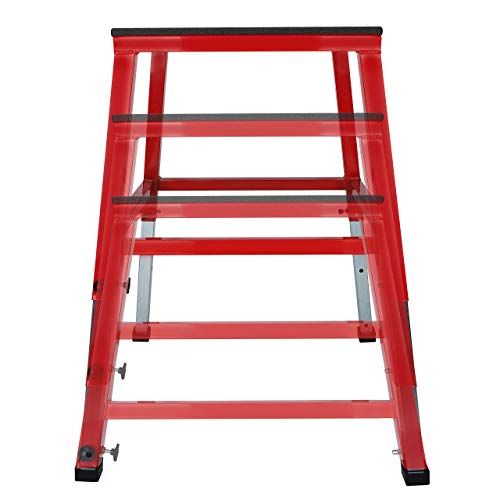
- Three heights: 12, 16, and 20 inches
- 550-pound stated capacity and steel frame
- Fully assembled with non-slip landing surface
Best For: Compact, stable home plyometric training
Best Mid-Range Height Option
Fuel Pureformance Adjustable Plyometrics Box
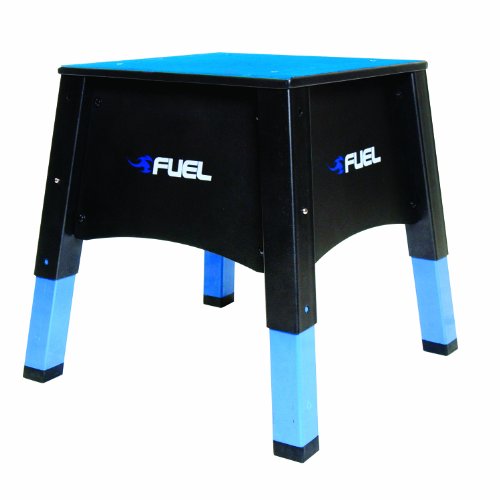
- Three heights: 14, 18, and 22 inches
- Steel frame with powder-coated finish
- Rubber feet and non-slip landing surface
Best For: Speed, agility, and progressive jump training
Best Soft-Surface Choice
BalanceFrom 3-in-1 Foam Jump Box

- Rotates between 16, 20, and 24 inches
- High-density foam softens impact
- Lightweight 10-pound portable design
Best For: Home HIIT, step-ups, and beginner-friendly jumps
Best Tall-Range Training Pick
Valor Fitness Adjustable Plyo Box

- Five positions from 18 to 31 inches
- 400-pound stated capacity and steel construction
- Safety locks and non-slip rubber top
Best For: Advanced power training and dedicated gym setups
Best Compact 3-in-1 Wood Box
CAP Barbell 3-in-1 Plyometric Box

- Rotates between 12, 14, and 16 inches
- Non-slip surface with carry handles
- 300-pound maximum weight recommendation
Best For: Lower-height home-gym plyometric training
Best Heavy-Duty Adjustable Steel Box

- Three levels up to 24 inches
- Textured rubber top for grip
- 400-pound weight capacity and nesting frame
Best For: Demanding home-gym workouts and higher jumps
Best Soft 3-in-1 Jump Box

- Rotates between 20, 24, and 30 inches
- Soft foam helps reduce joint and shin impact
- Non-slip PVC cover supports easy cleaning
Best For: Taller jumps with a softer landing surface
Best Adjustable Height Pick
Garvee Adjustable Plyometric Jump Box

- Four height settings from 15 to 21 inches
- Anti-slip top, rubber feet, and safety buckle
- Supports jumps, step-ups, squats, and push-ups
Best For: Home gyms needing flexible height adjustment
Best Wooden Value
Amazon Basics 3-in-1 Wooden Plyo Box

- Three marked heights: 12, 14, and 16 inches
- Supports up to 450 pounds
- Wide handles and simple guided assembly
Best For: Indoor home-gym conditioning and progressive training
Best Simple Pick

- Three rotating heights from 16 to 24 inches
- Dense foam core with textured non-slip vinyl
- Ships fully assembled and is easy to store
Best For: Padded landings and functional-fitness training
Best Compact Steel Pick – JFIT Adjustable Plyometric Box
For shoppers comparing adjustable plyometric boxes, the JFIT model offers three height settings—12, 16, and 20 inches—in a compact steel design. Its locking legs, wrapped non-slip landing surface, and rubber corner pads emphasize stability for home conditioning and jumping drills.
Best For: Users who want a fully assembled, compact steel box for adjustable-height plyometric and speed training.
Pros:
- Three height settings from 12 to 20 inches
- Heavy-duty steel construction with a stated 550-pound capacity
- Fully assembled with no tools required
- Non-slip mat, rubber corner pads, and locking pins support stable landings
Cons:
- The 14-by-14-inch top platform is relatively compact
- Only three height levels are available
The JFIT is a practical choice when stability and easy setup matter more than a large jumping surface or extensive height range. Its compact footprint and lower settings suit progressive training, though users seeking taller jumps may prefer a different model.
Best Mid-Range Height Option – Fuel Pureformance Adjustable Plyometrics Box
The Fuel Pureformance is one of the adjustable plyometric boxes built for three progressive jump heights: 14, 18, and 22 inches. Its powder-coated steel frame, quick spring-button adjustment, rubber feet, and 16-by-16-inch non-slip surface make it suited to repeated speed and agility work.
Best For: Athletes and home-gym users who want a steel box with quick height changes and a 22-inch maximum height.
Pros:
- Adjusts to 14, 18, and 22 inches
- Steel construction with blue-and-black powder coat
- Rubber feet help protect floors and keep the box in place
- Non-slip 16-by-16-inch landing surface
Cons:
- Weighs about 32 to 34 pounds, making it less portable than foam options
- Offers three height levels rather than a broader adjustment range
This model balances a useful height range with a durable steel build and straightforward spring-button adjustment. It is a solid fit for users who want more height than a compact beginner box provides without moving to a much taller platform.
Best Soft-Surface Choice – BalanceFrom 3-in-1 Foam Jump Box
Unlike steel adjustable plyometric boxes, the BalanceFrom changes height by rotating its high-density foam body. The three usable heights—16, 20, and 24 inches—combine with a textured anti-slip surface and lightweight 10-pound construction for convenient home workouts.
Best For: Beginners, home users, and anyone prioritizing softer impact, easy storage, and versatile step-up or HIIT training.
Pros:
- Three heights are available by rotating the box
- High-density foam provides softer impact and can minimize shin scrapes
- Lightweight 10-pound design is easy to move and store
- Works for jumps, HIIT, step-ups, and agility drills
Cons:
- 250-pound maximum weight recommendation is lower than the steel alternatives
- Foam construction may not provide the same rigid feel as a steel box
The BalanceFrom is a convenient, approachable option for general fitness rather than maximum-load training. Its rotating 3-in-1 format and softer surface make it especially useful in home gyms where portability and forgiving landings are priorities.
Best Tall-Range Training Pick – Valor Fitness Adjustable Plyo Box
For advanced users comparing adjustable plyometric boxes, the Valor Fitness model provides five height positions from 18 to 31 inches. Its steel construction, 400-pound capacity, non-slip rubber top, and popper-pin and safety-lock system are designed for demanding jumps, step-ups, and power training.
Best For: Experienced athletes, garage gyms, and facilities needing a tall, highly adjustable box for progressive power training.
Pros:
- Five height positions from 18 to 31 inches
- Steel construction with a stated 400-pound capacity
- Non-slip rubber top supports stable foot placement
- Popper pins and steel safety locks secure the selected height
Cons:
- At 50 pounds, it is less convenient to move frequently
- The 18-inch minimum may be high for beginners
- Its tall range may be more than needed for basic home workouts
The Valor stands out for height range and adjustment flexibility, making it appropriate for users who plan to progress toward demanding jumps. Its heavier steel build favors stability and dedicated gym placement over portability.
Best Compact 3-in-1 Wood Box – CAP Barbell 3-in-1 Plyometric Box
For shoppers comparing adjustable plyometric boxes for home workouts, the CAP Barbell 3-in-1 uses a simple rotate-to-adjust design. It offers 16-, 14-, and 12-inch heights for jumps, step-ups, agility drills, and progressive plyometric training.
Best For: Beginners and home-gym users who want a compact, portable wood box with lower height options.
Pros:
- Three height options in one box: 16, 14, and 12 inches.
- Interlocking panels, countersunk screws, and smooth-finished edges support a stable, snag-resistant setup.
- Textured non-slip surface and built-in carry handles add practical convenience.
- Rated for up to 300 pounds and weighs 15.4 pounds.
Cons:
- Its maximum height is 16 inches, which may be limiting for advanced jump training.
- Engineered-wood construction may not suit shoppers specifically seeking steel or foam.
This is a straightforward choice for progressive lower-height training. Its rotating format, manageable weight, and carry handles make it easy to move between exercises, while the non-slip top supports confident foot placement.
Best Heavy-Duty Adjustable Steel Box – REP Adjustable Plyo Box
The REP Adjustable Plyo Box is designed for shoppers seeking adjustable plyometric boxes with a steel frame and a higher maximum setting. Its three-level design reaches up to 24 inches and is suited to box jumps, step-ups, squats, and other conditioning work.
Best For: Home gyms and users who prioritize a sturdy, higher-capacity platform for demanding workouts.
Pros:
- Three adjustable levels with a maximum height of 24 inches.
- Welded construction is designed for durability and stability during intense training.
- Textured rubber top provides a non-slip landing and stepping surface.
- Nesting frame supports more convenient storage in a home gym or garage.
Cons:
- At 40 pounds, it is substantially heavier than the CAP Barbell and foam options.
- Its 16-by-16-inch dimensions may provide less landing area than larger platforms.
- The supplied details list the material as aluminum, while the product description emphasizes welded steel construction.
The REP stands out when stability, storage efficiency, and a 24-inch top setting matter more than portability. It is a substantial option for users who want a metal platform with a grippy surface and a 400-pound weight capacity.
Best Soft 3-in-1 Jump Box – HANBODE Foam Plyometric Box
For those comparing adjustable plyometric boxes with a softer landing surface, this HANBODE foam model rotates between 20, 24, and 30 inches. Its padded construction is intended to reduce joint stress and shin impacts while supporting jumps, squats, push-ups, and dips.
Best For: Home users who want multiple taller heights with a softer, more forgiving training surface.
Pros:
- Three height options—20, 24, and 30 inches—cover beginner through advanced routines.
- Foam construction is designed to be softer on joints and shins than wood or steel.
- Non-slip, sweat-resistant PVC cover can be wiped clean after workouts.
- Supports up to 350 pounds while weighing 16 pounds.
Cons:
- Its light-foam construction may feel less rigid than a metal or wood platform.
- The taller settings require a flat floor and centered landings for safe use.
- The supplied size is limited to the 20-by-24-by-30-inch configuration.
This box is a practical fit when landing comfort is a priority. It combines relatively light weight with taller adjustable heights, though users should follow the flat-floor and centered-landing guidance when training.
Best Adjustable Height Pick – Garvee Adjustable Plyometric Jump Box
The Garvee is a practical choice if you want adjustable plyometric boxes with four height settings. Its 15-, 17-, 19-, and 21-inch options let you scale box jumps and step-ups as your training progresses.
Best For: Home-gym users who want multiple height options and a lockable, anti-slip design.
Pros:
- Four height settings accommodate different fitness levels.
- Textured silicone top and rubber base pads help limit slipping.
- Safety buckle locks the adjusted height and can help quiet the box legs.
- Supports box jumps, step-ups, push-ups, squats, and other exercises.
Cons:
- Assembly is required before use.
- The listed 30-day manufacturer warranty is relatively short.
Choose this model when adjustability and stability features matter more than a fully assembled design. Its steel construction and stackable or disassemblable format also suit home gyms where storage flexibility is useful.
Best Wooden Value – Amazon Basics 3-in-1 Wooden Plyo Box
The Amazon Basics model is a straightforward option among adjustable plyometric boxes, using three orientations to provide 12-, 14-, and 16-inch training heights. Clear indicators and a 450-pound capacity make it suited to structured indoor home-gym workouts.
Best For: Beginners and home-gym users who want a durable wooden box with clearly marked height options.
Pros:
- Three heights support progressive box-jump and step-up training.
- Wooden construction is rated to support up to 450 pounds.
- Wide handles make repositioning easier.
- Pre-drilled holes, pilot holes, and instructions simplify assembly.
Cons:
- It is designed primarily for indoor training.
- Assembly is required.
- The maximum height is 16 inches, lower than some alternatives.
This box makes sense for buyers who prioritize a high stated weight capacity and simple three-height configuration. Smooth, sanded edges and built-in handles add practical touches for regular home use.
Best Simple Pick – REP 3-in-1 Soft Plyo Box
For athletes who prefer a forgiving landing surface, the REP Soft Plyo Box is one of the more versatile adjustable plyometric boxes. Rotating the fully assembled foam cube provides 16-, 20-, or 24-inch heights for step-ups through higher box-jump work.
Best For: Home gyms, studios, and functional-fitness users who want a padded, ready-to-use box.
Pros:
- Three height options cover 16, 20, and 24 inches.
- Dense foam core and textured vinyl cover provide a padded, grippy surface.
- Ships fully assembled with no tools or setup required.
- Lightweight, stackable design suits home gyms and studios.
Cons:
- Its maximum listed capacity is 400 pounds.
- Foam construction may not suit buyers specifically seeking a rigid wooden or steel box.
The REP is a strong fit when landing comfort and convenience are priorities. Its three-sided design supports varied conditioning exercises, while the 24-inch maximum height gives experienced users more room to progress.
How We Picked the Best Adjustable Plyometric Boxes
We focused on the features that matter most during repeated jumps, step-ups, and strength-training movements: adjustable or multi-height configurations, overall stability, usable landing space, surface traction, weight capacity, portability, and assembly requirements. We also considered whether each box is better suited to beginners, experienced athletes, or general home-gym training.
Construction played an important role. Wood and metal boxes typically provide a firm, stable platform for powerful jumps, while foam models can reduce impact and help limit injury risk when a jump is missed. However, softer boxes may feel less responsive and can be less suitable for advanced, high-volume training.
Quick Comparison
Use the individual product specifications above to compare dimensions, height settings, materials, weight limits, and assembly details. As a general rule, three-in-one boxes offer several fixed heights, while adjustable models may provide finer progression or a more compact storage profile. Foam boxes emphasize forgiving landings; wood and steel prioritize rigidity and long-term durability.
Key Buying Factors for Adjustable Plyometric Boxes
Height Range and Progression
Choose a box with a starting height you can control comfortably and a top height that supports your goals. Beginners often benefit from lower step-up heights before attempting maximal jumps. Multiple settings also let more than one person use the same equipment.
Stability and Weight Capacity
A box should remain planted when you jump, land, or step off-center. Look for a wide footprint, secure locking or joining hardware, nonslip feet, and a clearly stated weight capacity. Remember that dynamic landings create more force than your body weight alone.
Surface Traction and Landing Area
A textured or nonslip top helps reduce foot movement, particularly during sweaty workouts. A larger landing surface may be more reassuring for beginners, while experienced users may prefer a compact platform that is easier to move and store.
Material and Safety
Wood and metal provide a firm training surface but require careful technique and sufficient clearance around the box. Foam is generally more forgiving if your shin contacts the edge. Whichever material you choose, inspect seams, fasteners, locks, and padding regularly.
Storage and Setup
Check the box’s assembled size, weight, and whether it folds, nests, or changes height without tools. For smaller home gyms, a lighter model or a design with multiple orientations can be more practical than a heavy fixed platform.
Who Should Buy Which Adjustable Plyometric Boxes?
Beginners and general home-gym users: Choose a stable three-in-one or foam model with a low starting height, broad landing surface, and forgiving construction.
Progressive strength and conditioning trainees: Look for Adjustable Plyometric Boxes with secure height changes, strong materials, and enough capacity for repeated jumps and weighted step-ups.
Advanced athletes: Prioritize rigid metal or reinforced wood construction, a dependable nonslip top, and a height range that supports explosive training without compromising stability.
Shared or space-limited gyms: Select a versatile box that stores easily and offers several heights. A lighter model can be convenient, but do not sacrifice stability for portability.