The right back brace can provide targeted lumbar support during training, recovery, or long periods on your feet. The best choice balances stability with enough flexibility to preserve natural movement.
We’ve gathered 10 adjustable and breathable options for athletes, covering different support levels, fits, and wearing preferences. Use the guide below to compare features and choose a brace that matches your activity and comfort needs.
Best 10 Back Braces for Athletes Picks for 2026
Everyday Adjustable Support
Mueller Adjustable Lumbar Back Brace

- Fits 28–50-inch waists with adjustable compression
- Removable lumbar pad and four flexible steel springs
- Breathable design for walking and everyday activity
Best For: Athletes and active adults wanting simple, adjustable lumbar support
Lightweight Active Fit
Sparthos Back Brace for Active Use
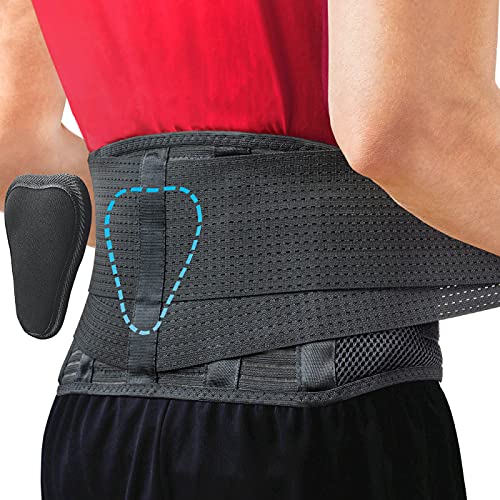
- Removable lumbar pad for added compression
- Vertical stays help stabilize and resist rolling
- Listed for golf, running, and weightlifting
Best For: Active users wanting breathable, lightweight support
Breathable Firm Stability
FREETOO Lower Back Brace for Active Use

- Bionic panel, aluminum stays, and flexible springs
- Pull-to-cinch pulley system for a secure fit
- Breathable 3D knit for cycling, running, and lifting
Best For: Athletes seeking firm, ventilated lumbar support
Adjustable Neoprene Support

- Four support strips plus a removable lumbar pad
- Breathable, flexible neoprene construction
- Wide size range with hook-and-loop adjustment
Best For: Gym training, lifting, and active daily wear
Reinforced 360° Compression
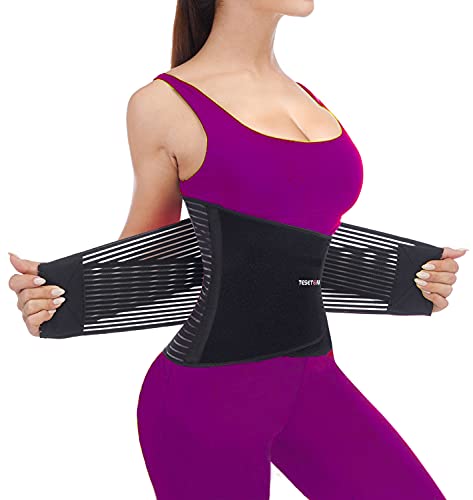
- Six reinforced bones for structured support
- Dual elastic straps customize compression
- Breathable mesh in four color options
Best For: Lifting, running, hiking, and workouts
Low-Profile Athletic Mobility

- Eight firm support stays stabilize the lower back
- Dual straps and anti-slip strips help it stay put
- Lightweight, breathable, low-profile design
Best For: Active training with frequent movement
Firm Support Pick

- Eight steel springs deliver firm compression
- Breathable mesh and odor-treated fabric
- Adjustable fit for active use
Best For: Athletes needing substantial support for lifting, strains, or sciatica
Breathable Compression Pick
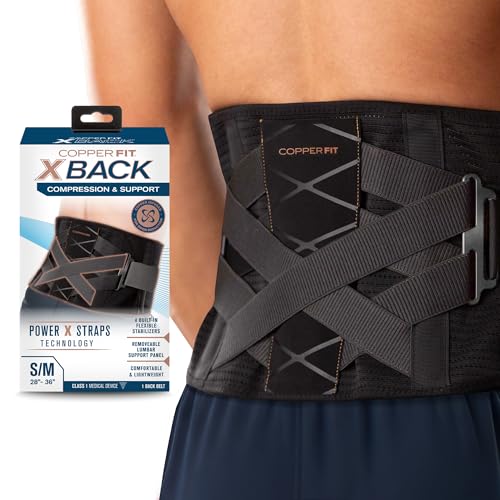
- Customizable upper and lower compression straps
- Vented materials support airflow
- Curved panel supports the lumbar area
Best For: Active users wanting breathable support with adjustable compression
Lightweight Mobility Pick

- Ultra-slim 0.08-inch design weighs 5.5 ounces
- Ventilated mesh helps improve airflow
- Pulley system provides adjustable tension
Best For: Active users wanting discreet, flexible support during movement
Everyday Adjustable Support – Mueller Adjustable Lumbar Back Brace
For athletes seeking back braces for athletes that balance support with adjustability, the Mueller Adjustable Lumbar Back Brace is a practical option for lower-back discomfort during walking and everyday activity. Its double-layer design, removable lumbar pad, and four flexible steel springs provide customizable compression and stability.
Best For: Athletes and active adults who want adjustable lower-back support for walking, strains, sprains, or aching backs.
Pros:
- Fits 28–50-inch waists with adjustable compression.
- Removable lumbar pad provides concentrated cushioning and compression.
- Four flexible steel springs conform to the back for added stability.
- Breathable fabric and hook-and-loop closure support a customizable fit.
Cons:
- Listed as a regular one-size-fits-most model rather than a sport-specific fit.
- Hand-wash care is required.
The Mueller is a straightforward choice when you want recognizable sports-medicine support without a complicated fitting system. Check the waist range before ordering, especially if you plan to wear it over athletic clothing.
Maximum Structured Support – Ultra Breathable Medical-Grade Back Brace
This Ultra Breathable brace is aimed at shoppers comparing back braces for athletes who want extensive lumbar coverage and a highly adjustable fit. Its bionic spine panel, multiple support elements, dual compression system, and ventilated copper-infused fabric are designed for activities ranging from lifting and exercise to driving and daily work.
Best For: Athletes and active adults who prioritize firm, full-coverage lumbar support with multiple adjustment points.
Pros:
- Combines a bionic spine plate, memory steel plates, resin bars, and flexible springs.
- Eight adjustable straps and four pulley designs allow detailed compression adjustment.
- 4D-knit fabric includes more than 4,000 ventilation holes for airflow.
- Designed for lifting, exercising, sitting, driving, and other daily activities.
Cons:
- The many support components may feel more substantial than a basic lumbar belt.
- The supplied listing identifies this version as Large, so sizing should be checked carefully.
- Product claims cover medical conditions; users with significant symptoms should seek professional guidance.
This model stands out for its structured construction and broad adjustability rather than minimalist portability. It may suit athletes who want a more supportive brace, but the complex design makes fit and comfort especially important.
Lightweight Active Fit – Sparthos Back Brace for Active Use
For athletes looking for back braces for athletes that can work across several sports, the Sparthos Back Brace combines a removable lumbar pad with vertical support stays and breathable, stretchable fabric. The listing specifically identifies golf, running, and weightlifting, making it a versatile option for active use.
Best For: Athletes in golf, running, or weightlifting who want a lightweight, adjustable brace that can be worn under clothing.
Pros:
- Removable lumbar pad adds extra compression and lower-back support.
- Vertical support stays help stabilize the back and resist rolling.
- Breathable, lightweight, stretchable materials are designed for comfortable wear.
- Adjustable hook-and-loop closure supports a personalized fit.
Cons:
- This listing is for the Large size, so measurements should be verified before purchase.
- Hand-wash care may be less convenient for frequent training use.
- The brace is intended for support and is not a replacement for medical evaluation.
Sparthos is a sensible pick when mobility and low bulk matter as much as support. Its sports-oriented use cases and removable pad make it adaptable, while the fixed Large size makes sizing the main point to confirm.
Breathable Firm Stability – FREETOO Lower Back Brace for Active Use
The FREETOO Lower Back Brace is built for athletes comparing back braces for athletes who want firm lumbar stability without a heavy, heat-retaining feel. Its bionic panel, memory-aluminum stays, flexible springs, pull-to-cinch pulley system, and 3D knitted mesh target active uses such as cycling, running, strength training, tennis, and golf.
Best For: Athletes who need firm, breathable lumbar support for cycling, running, lifting, or other training activities.
Pros:
- Support system combines a bionic lumbar panel, four memory-aluminum stays, and two flexible springs.
- Pull-to-cinch pulley system helps create a secure, adjustable fit.
- 3D knitted mesh is designed to improve airflow and reduce heat retention.
- Includes a removable lumbar pad and is listed for several sports.
Cons:
- The supplied listing is Medium for 33.4–40.5-inch waists, limiting fit flexibility.
- Firm structural components may feel more restrictive than a simple elastic belt.
- Hand-wash care is required.
FREETOO offers a strong combination of structured support and breathable construction for training and active daily use. Confirm the listed waist range, then consider whether the firmer design matches your desired freedom of movement.
Adjustable Neoprene Support – FEATOL Back Brace
For athletes comparing back braces for athletes, the FEATOL model combines a flexible neoprene inner belt with four support strips and a removable lumbar pad. It is designed for adjustable support during workouts, weight lifting, and everyday movement, while its breathable fabric helps limit bulk and heat.
Best For: Athletes who want adjustable lower-back support for gym training, lifting, running, or other active routines.
Pros:
- Four support strips and a removable lumbar pad provide wraparound lower-back support.
- Neoprene construction and an adjustable hook-and-loop outer band allow a customizable fit.
- Breathable fabric is designed to feel less hot or bulky during use.
- Available in a broad range of waist sizes, from S/M through 5XL.
Cons:
- Hand-wash care is required.
- Fit depends on measuring around the navel rather than using pants size.
- The listed L/XL size covers 29.8 to 38.6 inches, so careful sizing is important.
Choose the FEATOL if you prefer a flexible neoprene brace with a removable pad and extensive size options. Measure at navel level before ordering, especially if you plan to wear it during demanding training.
Reinforced 360° Compression – TESETON Lumbar Brace
The TESETON is a strong option for shoppers seeking back braces for athletes with reinforced vertical support and adjustable compression. Its six reinforced bones, dual elastic straps, and breathable mesh design are intended for activities such as lifting, running, hiking, and workouts.
Best For: Athletes who prioritize structured lumbar support and customizable compression during exercise or physically demanding activities.
Pros:
- Six reinforced bones provide 360-degree vertical support around the lower back.
- Two elastic straps add adjustable compression for a more secure fit.
- Breathable hollow mesh and lightweight materials support comfortable wear.
- Available in black, pink, beige, and purple.
Cons:
- The listed medium size fits a 28- to 31-inch waist, so sizing should be checked carefully.
- Its reinforced-bone design may feel more structured than a flexible wrap.
- Hand-wash care is required.
The TESETON stands out when you want a lightweight brace with substantial reinforcement and two levels of adjustment. Measure one inch above the belly button and compare that measurement with the size chart before purchasing.
Low-Profile Athletic Mobility – BraceUP Back Brace
For athletes who want back braces for athletes that stay unobtrusive, the BraceUP combines eight firm support stays with dual adjustment straps and anti-slip silicone strips. Its lightweight mesh design is intended to support movement during gym workouts, heavy lifting, running, cycling, basketball, and tennis.
Best For: Active users who want a low-profile, breathable brace that can stay in place during varied movement.
Pros:
- Eight firm support stays provide structured lower-back support.
- Dual adjustment straps allow customized compression and fit.
- Lightweight mesh helps release excess heat and moisture.
- Low-profile design and four anti-slip silicone strips support discreet, stable wear.
Cons:
- The listed L/XL size fits a 35- to 43-inch navel circumference, so sizing must be measured accurately.
- Hand-wash care is required.
- Eight support stays may feel more structured than a minimally supportive belt.
The BraceUP is a practical pick for athletes who need firm support without giving up a full range of movement. Measure around the navel, not by pant size, and use the dual straps to fine-tune the fit.
Firm Support Pick – Mueller Adjustable Back Brace
For athletes who need dependable back braces for athletes, the Mueller Adjustable Back Brace combines breathable all-day comfort with firm, targeted compression. Its adjustable wraparound design is suited to walking, lifting, and other activities where extra lumbar support is useful.
Best For: Athletes and active adults seeking firm support for strains, sciatica, scoliosis, or heavy lifting.
Pros:
- Eight steel springs provide firm, targeted compression.
- Adjustable hook-and-loop straps make the fit easy to customize.
- Breathable, odor-treated mesh supports extended wear.
- One-size option fits 28–50-inch waists; a small size fits 22–30 inches.
Cons:
- The steel-spring construction may feel more substantial than a lightweight belt.
- Hand-wash care is required.
This is a strong choice when support and adjustability matter more than an ultra-minimal profile. Measure around the widest part of your waist before selecting a size.
Breathable Compression Pick – Copper Fit X-Back Brace
The Copper Fit X-Back Brace is a practical option among back braces for athletes who want adjustable lumbar compression without giving up mobility. Its vented construction, curved lumbar panel, and X-strap system are designed for walking, lifting, sports, work, or play.
Best For: Active men and women who want breathable, customizable lower-back support during movement.
Pros:
- Upper and lower straps allow customizable compression.
- Lightweight, vented materials promote airflow during activity.
- Curved lumbar panel follows the spine’s natural shape.
- Copper-infused materials are intended to help reduce odor.
Cons:
- The listed Large/XL size fits 34–48-inch waists, so careful measuring is important.
- Hand-wash and air-dry care may be less convenient.
Choose this model if you prefer breathable materials and independent upper/lower strap adjustment. Measure around the belly button and size up if uncertain.
Lightweight Mobility Pick – cybryeh Slim Back Brace
When bulky support is a concern, the cybryeh Slim Back Brace offers a lightweight alternative among back braces for athletes. Its narrow, breathable profile, pulley tension system, and integrated support stays are designed to provide adjustable support without unnecessarily limiting movement.
Best For: Athletes and active adults who prioritize a discreet, lightweight brace for workouts, walking, chores, or daily wear.
Pros:
- Thin 0.08-inch profile and 5.5-ounce weight support mobility.
- Honeycomb ventilation and perforated panels encourage airflow.
- Pulley system enables fine-tuned compression.
- Support stays and elastic side zones help distribute pressure as you move.
Cons:
- The mesh may feel slightly firm directly against skin; wearing it over a thin layer is recommended.
- Fit depends on measuring at navel level rather than using pants size.
This is the most suitable choice here for users who want discreet support and freedom of movement. Available ranges run from 26–31.5 inches through 42–53 inches, depending on size.
How We Picked the Best Back Braces for Athletes
We focused on braces designed for lower-back or lumbar support, prioritizing adjustable closures, breathable materials, practical sizing, and profiles suitable for active use. We also considered whether each design appears better suited to light daily support, moderate training assistance, or more structured stabilization.
Because fit and comfort vary by body shape and activity, this list includes both slim braces for discreet wear and wider designs that provide more coverage. Product claims should be evaluated alongside the manufacturer’s sizing information and your healthcare professional’s advice.
Quick Comparison
| Best For | Look For |
|---|---|
| Training and general support | Adjustable compression and flexible lumbar panels |
| Hot-weather workouts | Breathable, lightweight, or moisture-managing materials |
| Long periods of wear | A comfortable fit, low-profile edges, and secure fasteners |
| Maximum stability | Wider coverage and reinforced support elements |
| Discreet under clothing | A thin, lightweight profile |
Key Buying Factors for Back Braces for Athletes
Support Level and Flexibility
A brace should support the lumbar area without restricting normal movement unnecessarily. Flexible compression suits many activities, while reinforced or wider designs may be preferable when you need more stability. Avoid tightening the brace so much that it causes numbness, tingling, pain, or difficulty breathing.
Fit and Adjustability
Measure where the manufacturer instructs, since sizing can differ between products. Adjustable straps help fine-tune compression over clothing or a base layer, but a one-size design may not provide the same precision as a brace with multiple size ranges.
Breathability and Comfort
Heat buildup can make a brace difficult to wear during exercise. Look for ventilated panels, breathable fabric, moisture management, and a shape that does not dig into the ribs or hips. Smooth seams and a low-profile design are especially useful for extended wear.
Activity Compatibility
Consider your sport and movement pattern. A brace for walking, lifting, or recovery may not be ideal for running, cycling, or rotational sports. Choose a design that stays in place during the movements you perform most often.
Who Should Buy Which Back Braces for Athletes?
Choose a Lightweight Brace for Discreet Everyday Support
Slim options such as the cybryeh model are worth considering if you want support beneath a shirt or during lower-intensity activity. They may be more comfortable for commuting, work, or recovery than bulky braces.
Choose a Breathable Brace for Warm Workouts
The Ultra Breathable, BraceUP, and other ventilated designs are better suited to athletes who prioritize airflow and extended wear. Check the closure system carefully to ensure breathability does not come at the expense of a secure fit.
Choose Adjustable Compression for Versatile Use
MUELLER, Sparthos, FREETOO, and FEATOL options offer practical adjustability for users who want to vary support between warmups, training, and recovery. These are sensible starting points for general-purpose use.
Choose More Structured Coverage for Added Stability
Wider designs or braces with reinforced support elements may appeal to athletes seeking a firmer feel, including those managing recurring discomfort. For persistent, severe, or radiating pain, consult a qualified healthcare professional rather than relying on a brace alone.