Cold hands can turn skiing, commuting, cycling, and outdoor work into an uncomfortable challenge. The best heated gloves for winter combine reliable warmth with weather protection, usable controls, and enough battery life for your typical day outside.
This roundup includes insulated gloves, slim heated liners, touchscreen-friendly designs, and rechargeable options for different cold-weather needs. Use the guide below to compare features and choose the right fit for your activities.
Best 10 Heated Gloves for Winter Picks for 2026
Best Overall
SAVIOR HEAT Rechargeable Leather Ski Gloves
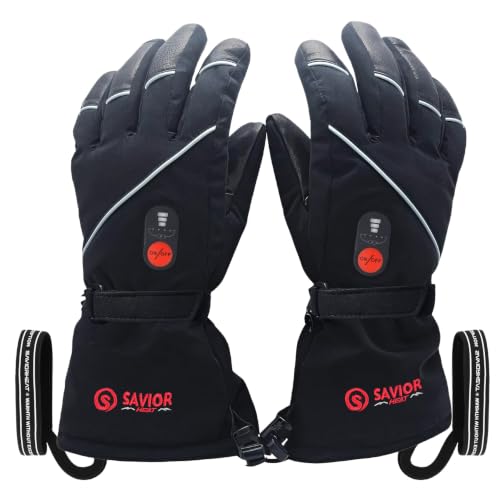
- Full-hand heat in about 10 seconds
- Up to 11 hours of stated warmth
- Waterproof, windproof, and insulated
Best For: Skiing, snowboarding, and extended outdoor work
Best Budget USB Option
Rabbitroom Waterproof Heated Gloves

- Carbon-fiber heating for the hand backs
- Uses AA batteries or 5V USB power
- Extended cuffs help block cold air
Best For: Outdoor work and flexible power setups
Best Heated Liners
Rechargeable Thin Glove Liners

- Slim Lycra and fleece layering design
- Up to six hours of stated warmth
- Three settings with touchscreen fingers
Best For: Layering beneath outer gloves
Best No-Battery Setup

- Runs from a separate 5V USB source
- Heats palms and backs of hands
- Three settings with touchscreen fingers
Best For: Commuting and everyday outdoor activities
Most Complete Hand Coverage

- Heating reaches the fingertips and hand gaps
- 3M insulation with waterproof, wind-resistant shell
- 3–8 hours of stated runtime with three heat levels
Best For: Skiing, hunting, winter work, and other prolonged outdoor activities
Longest Rated Runtime
Rechargeable Heated Ski Gloves

- Finger-wrap heating starts in about 10 seconds
- Up to 8 hours from two rechargeable batteries
- Waterproof shell with touchscreen fingertips and reflective strips
Best For: Longer ski trips, hunting outings, commutes, and winter work
Budget Battery Option
Lightweight Heated Winter Gloves

- Back-of-hand carbon-fiber heating
- Uses six AA batteries, sold separately
- Lightweight, water-resistant, windproof design
Best For: Everyday winter errands and moderate outdoor conditions
Best Display-Controlled Pick

- LED shows battery, temperature, and heat level
- Three settings with 2–6 hours of stated runtime
- Flip-top fingers and anti-slip palm aid handling
Best For: Visible controls and everyday outdoor use
Best Thin Liner Pick
Rechargeable Heated Glove Liners

- Full-coverage heat reaches fingertips in about 30 seconds
- Slim design supports dexterity and touchscreen use
- 45-minute auto-off with overheat protection
Best For: Active users who want flexible, phone-friendly liners
Best Overall – SAVIOR HEAT Rechargeable Leather Ski Gloves
For shoppers comparing heated gloves for winter, the SAVIOR HEAT pair stands out for fast full-hand warmth, long stated battery life, and substantial weather protection. Carbon-fiber heating elements warm the fingers and back of the hand in about 10 seconds, with three heat settings for changing conditions.
Best For: Skiing, snowboarding, motorcycling, snowmobiling, and extended outdoor work in cold, wet weather.
Pros:
- Reaches warmth in about 10 seconds and heats the fingers and back of the hand.
- Dual 7.4V batteries provide up to 11 hours of stated warmth.
- Waterproof Hipora membrane, windproof construction, and 3M Thinsulate insulation.
- Includes touchscreen fingertips, wrist straps, and a two-year manufacturer warranty.
Cons:
- At about 2 pounds, these are heavier than thin heated liners.
- Hand-wash-only care may require extra maintenance.
- The batteries take about 3.5 hours to recharge.
This is a feature-rich choice when you need serious winter protection and extended battery runtime. Its fitted design and broad size range also make it more suitable for dedicated outdoor use than occasional indoor warming.
Best Budget USB Option – Rabbitroom Waterproof Heated Gloves
These Rabbitroom heated gloves for winter combine carbon-fiber warming with a soft, extended-cuff design. They can run from six AA batteries in the included battery boxes or connect to a 5V power bank or USB power source, giving you flexible options for outdoor work and everyday cold-weather use.
Best For: Cold-weather chores, commuting, outdoor work, and users seeking warming support for stiff or uncomfortable hands.
Pros:
- Carbon-fiber heating is designed to warm the back of the hands.
- Waterproof, windproof, and breathable cotton-blend construction.
- Extra-long cuffs help cover the wrists and fit over coat sleeves.
- Can use AA batteries or connect directly to a 5V USB power source.
Cons:
- Batteries are not included.
- Heating time depends on the battery type and surrounding conditions.
- The stated warranty is limited to 30-day returns and refunds.
Rabbitroom is a practical, relatively simple option if you value flexible USB power and wrist coverage. Be sure to account for the extra cost of suitable batteries or a power bank before buying.
Best Heated Liners – Rechargeable Thin Glove Liners
If you want heated gloves for winter that can fit beneath another pair, these rechargeable liners are a streamlined choice. The thin Lycra and fleece design is intended to reduce bulk, while far-infrared heating covers the fingers and back of the hand and offers three temperature settings.
Best For: Layering under outer gloves during skiing, cycling, hiking, riding, or other activities where dexterity and low bulk matter.
Pros:
- Thin construction is designed to fit under other gloves without feeling clunky.
- 7.4V 2200mAh rechargeable batteries provide up to six hours of stated runtime.
- Three heat settings and heating across the fingers and back of the hand.
- Touch sensors on the thumb and forefinger support phone use.
Cons:
- Extra batteries are recommended for extended outings and sold separately.
- The listed battery charge time is six hours.
- The manufacturer warranty is 90 days.
These liners make the most sense for people who already own weatherproof outer gloves or need a less bulky heated layer. Their shorter stated runtime is a trade-off for the layering-friendly design.
Best No-Battery Setup – 5V USB Heated Gloves
For a straightforward pair of heated gloves for winter, this 5V USB model avoids built-in battery charging altogether. Connect the detachable cable to a power bank, laptop, wall adapter, or other 5V source, then choose among three heat levels for commuting, walking, fishing, camping, or similar activities.
Best For: Everyday outdoor use near accessible USB power, including commuting, dog walking, camping, and light winter activities.
Pros:
- No battery charging is required; use a compatible 5V USB power source.
- Dual-sided heating warms both the palms and backs of the hands.
- Three heat levels and stated heating in about 20 seconds.
- Touchscreen fingertips and rubberized palm strips improve everyday convenience.
Cons:
- A separate power source is required because no built-in battery is included.
- Water resistance is intended for light moisture rather than heavy wet conditions.
- The USB cable may be less convenient for activities requiring unrestricted hand movement.
This model is a sensible pick when you prefer replaceable or readily available USB power over rechargeable battery packs. It is best suited to routine winter use where a power bank or outlet can remain accessible.
Most Complete Hand Coverage – 3M-Insulated Heated Gloves
For shoppers comparing heated gloves for winter, this Telguua pair stands out for heating coverage across the back of the hand, fingertips, and gaps. Its waterproof shell, 3M insulation, touchscreen fingertips, and rechargeable batteries make it a versatile choice for active outdoor use and cold-weather work.
Best For: Skiing, snowboarding, hunting, fishing, shoveling, cycling, and outdoor work where broad hand coverage and weather protection matter.
Pros:
- Heating elements cover the back of the hand, fingertips, and gaps.
- 3M insulation, a waterproof TPU barrier, and a 150D Oxford outer layer help retain warmth in damp, windy conditions.
- Rechargeable 7.4V batteries offer a stated 3–8 hours of runtime across three heat levels.
- Built-in battery indicator, touchscreen thumb and index finger, grip palm, wrist straps, and cinching cuffs add convenience.
Cons:
- The listed battery charge time is 4.5 hours.
- They may feel more substantial than lightweight everyday gloves because of the insulation, heating system, and battery pockets.
Choose this model if you want extensive heating coverage plus layered insulation and waterproofing. The one-year quality assurance is also useful for buyers seeking added post-purchase support.
Longest Rated Runtime – Rechargeable Heated Ski Gloves
These heated gloves for winter are designed for longer outings, with finger-wrap heating, dual 7.4V rechargeable batteries, and a stated runtime of up to eight hours. A waterproof shell, touchscreen fingertips, reflective strips, and a four-level battery indicator make them practical for changing conditions and extended outdoor activity.
Best For: Skiing, hunting, hiking, cycling, riding, winter work, commuting, and other activities where runtime visibility is helpful.
Pros:
- Finger-wrap heating elements extend along the fingers and around the fingertips, with heating beginning in about 10 seconds.
- Two included 7.4V, 3000mAh batteries provide a stated runtime of up to eight hours.
- Three heat settings and a four-level battery indicator make warmth and remaining charge easy to monitor.
- Waterproof shell, adjustable cuffs, textured palms, touchscreen fingertips, reflective strips, and wrist loops support outdoor use.
Cons:
- Actual battery life varies with heat setting, temperature, and usage.
- The large size is the listed option in the supplied product details, so buyers should confirm sizing availability.
This is a strong option for shoppers who prioritize longer stated battery life and clear charge monitoring. Its combination of fingertip heating and outdoor-oriented details suits active users who do not want to stop frequently to recharge.
Budget Battery Option – Lightweight Heated Winter Gloves
For buyers seeking heated gloves for winter at a practical price, this Rabbitroom pair offers lightweight insulation, touchscreen functionality, and back-of-hand heating. It runs on six AA batteries, which are not included, and is intended for everyday outdoor activities such as walking, cycling, running, and light winter work.
Best For: Everyday cold-weather use, dog walking, driving, cycling, running, hiking, and shoppers who prefer replaceable AA batteries.
Pros:
- Carbon-fiber heating elements focus warmth on the back of the hands.
- Lightweight, water-resistant, windproof construction with cotton lining helps reduce bulk.
- Touchscreen-compatible index finger supports phone use without removing the gloves.
- Extra-long cuffs fit over coat sleeves and help keep cold air away from the wrists.
Cons:
- Six AA batteries are required and are not included.
- The supplied notes state that the 4.5V heating effect may not be sufficient for sub-zero conditions.
- The listed warranty is 30 days.
This model makes the most sense for moderate winter conditions and routine activities rather than extreme cold. Buyers needing stronger heat are directed in the supplied notes toward the brand’s upgraded rechargeable 5V model.
Best Display-Controlled Pick – Smart Heated Winter Gloves
These rechargeable heated gloves for winter stand out for their built-in LED display, which shows battery level, heat setting, and temperature. Three adjustable heat levels, flip-top thumb and index finger sections, and a textured anti-slip palm make them practical for commuting, cycling, riding, and everyday outdoor tasks.
Best For: Shoppers who want visible battery and temperature information with a secure, adjustable fit.
Pros:
- LED display provides battery, heat-level, and temperature information.
- Three heat settings and a 3000mAh rechargeable battery provide flexible warmth for 2–6 hours, depending on heat level.
- Flip-top thumb and index finger design plus an anti-slip palm support handling and riding.
- Adjustable wrist strap helps keep warmth in and prevent slipping.
Cons:
- Hand-wash-only care requires extra attention.
- The listed runtime is shorter at higher heat settings.
- Only a large size is specified in the supplied details.
This is a convenient choice if you value at-a-glance controls and grip assistance more than extended maximum-heat runtime. Its lightweight polyester construction and adjustable wrist closure suit everyday winter use.
Best Heavy-Duty Outdoor Pick – Waterproof Heated Ski Gloves
For demanding winter activities, these heated gloves for winter combine rechargeable heating with a waterproof outer layer, seven-layer construction, and an anti-slip silicone palm. They warm in about 10 seconds and offer three temperature settings for skiing, hunting, hiking, riding, and other cold-weather work.
Best For: Outdoor users who prioritize weather protection, grip, and longer low-heat battery life.
Pros:
- Two stated 3000mAh batteries can provide up to 8 hours on the low setting.
- Three heat ranges include high settings listed at 140°F–149°F.
- Waterproof outer layer, adjustable wrist strap, and wind-blocking elastic design help protect against wet and cold conditions.
- Touchscreen thumb and index finger areas allow phone operation without removing the gloves.
Cons:
- The supplied details list a four-hour charging time.
- One-size sizing may not provide an ideal fit for every hand.
- The thicker seven-layer design may feel less streamlined than a thin liner.
Choose this pair when waterproofing, insulation, and a secure grip matter most. It is geared toward active winter use rather than minimal bulk, with touchscreen access adding everyday convenience.
Best Thin Liner Pick – Rechargeable Heated Glove Liners
These thin heated glove liners are designed for users who want warmth without giving up dexterity. Full-coverage heating reaches the fingers and fingertips in about 30 seconds, while the slim lining, full-palm touchscreen capability, and water-resistant cuffs support skiing, running, cycling, and daily winter wear.
Best For: People who need flexible heated liners for active use, phone operation, and easy hand movement.
Pros:
- Full-coverage heating warms the hands, fingers, and fingertips.
- Three heat levels use two 7.4V 2200mAh batteries, with a suggested preheat-and-lower routine for conserving power.
- Full-palm touchscreen design supports swiping, typing, tapping, and zooming.
- Thin, soft construction helps with gripping ski poles, fastening clothing, and other fine movements.
Cons:
- A built-in 45-minute auto-off requires restarting the gloves for longer heating sessions.
- The listed size is medium, limiting fit options in the supplied details.
- They are water-resistant at the cuffs rather than described as fully waterproof.
This model is the most movement-friendly option of the three. The automatic shutoff adds a safety feature but may be inconvenient during uninterrupted outdoor activities.
How We Picked the Best Heated Gloves for Winter
We focused on the features that matter most in real cold-weather use: heating coverage, battery type and runtime, insulation, water resistance, fit, dexterity, touchscreen compatibility, and intended activity. The selection includes full-size ski gloves, lightweight liners, work-oriented designs, and options marketed for people who experience especially cold hands.
Because heating performance depends on temperature, setting, battery condition, and glove fit, advertised runtimes should be treated as estimates. A close-fitting glove with effective insulation can feel warmer and run more efficiently than a loose glove with poor heat retention.
Quick Comparison
| Best for | Look for | Trade-off |
|---|---|---|
| Skiing and snowboarding | Waterproof shell, insulation, wrist closure, durable palm | Usually bulkier |
| Daily commuting | Touchscreen fingertips, moderate insulation, simple controls | May offer less extreme-weather protection |
| Outdoor work | Secure fit, reinforced palms, long battery life | Dexterity can be limited |
| Running or layering | Thin rechargeable heated liners | Less protection from wind and moisture |
| Very cold hands | Heat reaching the fingers, multiple temperature settings | Higher power use on maximum heat |
Key Buying Factors for Heated Gloves for Winter
Heating Coverage and Controls
Check whether heating reaches the fingers or is concentrated on the back of the hand. Multiple heat settings make it easier to balance comfort and battery life. Simple button controls are useful when wearing bulky outer layers.
Battery Life and Charging
Rechargeable batteries are convenient, but confirm charging time, included batteries, replacement availability, and the expected runtime at each setting. For long shifts or full-day trips, consider a spare battery or a model with a higher-capacity pack.
Insulation and Weather Protection
Heating should supplement—not replace—insulation. Look for waterproof or water-resistant construction, wind-blocking materials, sealed or adjustable cuffs, and insulation suited to the temperature you expect. Ski gloves generally protect better in snow than thin liners.
Fit, Dexterity, and Touchscreens
Gloves that are too loose may waste heat, while overly tight gloves can restrict circulation. Measure your hand against the manufacturer’s chart. Touchscreen fingertips are helpful for phones and controls, but they may not work perfectly with every device or screen protector.
Safety and Care
Follow the charging and washing instructions carefully, keep battery connectors dry, and inspect cables and heating areas regularly. Do not use damaged batteries or modified chargers. Remove batteries before washing unless the manufacturer specifically permits otherwise.
Who Should Buy Which Heated Gloves for Winter?
Choose Insulated Heated Ski Gloves
Choose a waterproof, insulated pair if you ski, snowboard, snowmobile, or spend extended periods in snow. Prioritize wrist closures, durable palms, and heating that extends toward the fingers.
Choose Heated Glove Liners
Thin liners suit runners, commuters, and anyone who wants to wear a warmer outer glove over the heated layer. They are typically more flexible, but they provide less standalone protection against wet and windy conditions.
Choose a Work-Focused Pair
For freezer work, construction, cycling, or outdoor shifts, prioritize battery capacity, secure cuffs, durable materials, and controls that are easy to operate without removing the gloves.
Choose a Touchscreen-Friendly Everyday Option
If you regularly use a phone outdoors, look for touchscreen fingertips and a less bulky design. Keep expectations realistic: touchscreen performance and dexterity can decline in very thick insulation or wet conditions.