Fitness trackers can help you move more, sleep better, and spot healthy trends without the bulk of a full smartwatch. The best models make it easy to check steps, heart rate, recovery, and workouts at a glance.
In this roundup of 10 best fitness trackers, we focus on practical picks for different budgets and lifestyles, from simple band-style trackers to feature-rich wearables with advanced health tools.
Best 10 Fitness Trackers Picks for 2026
Advanced Fitness Tracking With Google Essentials
Fitbit Charge 6 for workouts, sleep, and maps
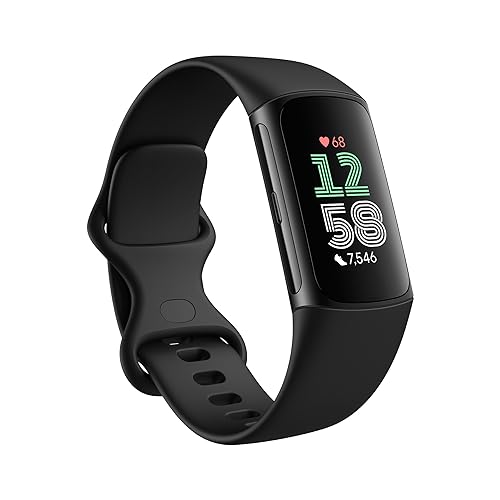
- Tracks heart rate, sleep, stress, and Daily Readiness
- Built-in GPS plus 40+ exercise modes and auto tracking
- Google Maps, Wallet, and YouTube Music controls included
Best For: All-around fitness tracking with smart extras
Big AMOLED Display for Android Users
Galaxy Fit 3 with long battery life

- 1.6-inch AMOLED display is easy to read
- Up to 14 days of battery life
- Tracks 101+ workouts with auto detection
Best For: Android-only users who want a simple, readable tracker
Lightweight Wellness Tracker With Sleep Focus
Fitbit Inspire 3 for everyday health

- Tracks sleep, stress, heart rate, and blood oxygen
- Works with iPhone and Android
- Up to 10-day battery life in a slim design
Best For: Comfortable everyday wellness tracking
Smartwatch-Style Fitness and Safety Tracking
Apple Watch SE 3 for iPhone users

- Tracks workouts, sleep score, and heart rate alerts
- Adds fall detection and crash detection safety tools
- Always-on display with faster charging and 18-hour battery life
Best For: iPhone users wanting fitness plus smartwatch features
Premium Recovery Tracker
WHOOP 5.0/MG 12-Month Membership

- 24/7 heart rate, sleep, strain, and recovery tracking
- Screenless design with 14+ day battery life
- Includes WHOOP AI coaching and habit tracking
Best For: Athletes and data-driven users focused on recovery
Budget Smartwatch Tracker
24/7 Health Monitoring Smart Watch

- Heart rate, blood oxygen, blood pressure, and sleep tracking
- 120+ sports modes with all-day activity stats
- Call, message, and daily reminder features
Best For: Users wanting an affordable all-in-one smartwatch tracker
Long-Battery Band Pick

- 1.72-inch AMOLED display with 1500 nits brightness
- Up to 21 days of battery life and fast charging
- Tracks heart rate, blood oxygen, sleep, and sports
Best For: Slim-band buyers who want long battery life and clear display
24/7 Wellness Tracking
MorePro fitness tracker with health monitoring and 112 sports modes

- Tracks heart rate, blood pressure, blood oxygen, and sleep
- Includes 112 sports modes and activity stats
- Adds call alerts, reminders, and weather tools
Best For: Buyers who want broad health tracking and smartwatch-style features on a budget
Screenless Comfort
Fitbit Google Air screenless tracker for all-day wear

- Screenless, lightweight design for discreet wear
- 24/7 health tracking with advanced sensors
- Up to a week of battery life with fast charging
Best For: Anyone who wants a comfortable, low-profile tracker for continuous wear
Big Display Value
Large-screen fitness tracker with health and sports tracking

- 1.47-inch HD touchscreen with 100+ watch faces
- Tracks heart rate, SpO2, stress, sleep, and activity
- Offers 100+ sports modes and IP68 waterproofing
Best For: Buyers who want a larger display and broad health tracking
Advanced Fitness Tracking With Google Essentials – Fitbit Charge 6 for workouts, sleep, and maps
If you want a fitness tracker that covers workouts, recovery, and everyday convenience, the Fitbit Charge 6 is built around the basics that matter most. It tracks core metrics like calories, Active Zone Minutes, Daily Readiness, heart rate, sleep, and stress, while adding built-in GPS and Google features for runs, rides, and quick on-the-go tasks.
Best For: People who want a well-rounded tracker with exercise, sleep, and Google tools in one band.
Pros:
- Tracks key fitness and recovery metrics, including Daily Readiness, sleep, and 24/7 heart rate
- Includes 40+ exercise modes plus automatic exercise tracking and built-in GPS
- Works with Google Maps directions, Google Wallet, and YouTube Music controls
- Can link to compatible exercise machines to view real-time heart rate
Cons:
- Some advanced coaching features require Google Health Premium
- Premium membership is sold separately
The Charge 6 stands out if you want fitness trackers that do more than count steps. It combines broad activity tracking with practical extras for workouts and daily life, making it a strong all-purpose option.
Big AMOLED Display for Android Users – Galaxy Fit 3 with long battery life
The Samsung Galaxy Fit 3 is aimed at Android users who want a simple fitness tracker with a larger screen and long battery life. Its 1.6-inch AMOLED display makes stats easy to read, while its health tools cover sleep, SpO2, heart rate, snore detection, and workout auto-detection.
Best For: Android users who want a bright display, long battery life, and straightforward fitness tracking.
Pros:
- 1.6-inch AMOLED display offers a larger, clearer interface
- Up to 14 days of battery life for less frequent charging
- Tracks 101+ workout modes with auto detection
- Water resistant with 5ATM and IP68 ratings
Cons:
- Compatible with Android devices only
- No GPS on the device itself
- Samsung Pay is not supported
This is a practical pick if you value screen size and battery life over advanced smart features. It keeps the focus on fitness tracking and basic health monitoring in a form factor that should be easy to live with every day.
Lightweight Wellness Tracker With Sleep Focus – Fitbit Inspire 3 for everyday health
The Fitbit Inspire 3 is a compact fitness tracker that focuses on daily movement, stress, and sleep without adding much bulk. It covers the essentials with 24/7 heart rate, Daily Readiness, Active Zone Minutes, automatic exercise tracking, and a full set of sleep and stress tools for both iPhone and Android users.
Best For: Shoppers who want a slim, comfortable tracker for everyday health and sleep tracking.
Pros:
- Tracks heart rate, sleep, stress, blood oxygen, and menstrual health
- Supports 40+ exercise modes plus automatic exercise tracking
- Works with both iOS and Android, expanding compatibility
- Up to 10-day battery life keeps charging simple
Cons:
- Small 0.76-inch display limits on-screen space
- GPS is smartphone-based rather than built in
If you want fitness trackers that emphasize comfort and wellness basics, the Inspire 3 is easy to recommend. It is especially appealing for users who care more about sleep, stress, and daily consistency than about smartwatch-style extras.
Smartwatch-Style Fitness and Safety Tracking – Apple Watch SE 3 for iPhone users
The Apple Watch SE 3 blends fitness tracking with health insights and smart safety features for iPhone users. It monitors heart rate, sleep score, and overnight health metrics, and it supports a wide range of workouts from running and strength training to daily step goals.
Best For: iPhone owners who want a fitness tracker with stronger smartwatch and safety features.
Pros:
- Tracks workouts, sleep score, and heart rate alerts
- Includes safety features like fall detection and crash detection
- Always-on display makes it easy to check information quickly
- All-day 18-hour battery life with faster charging than SE 2
Cons:
- Works with iPhone or Wi-Fi, so it is not a universal pick
- Battery life is shorter than many dedicated fitness bands
This model makes sense if you want fitness trackers with more intelligence, communication, and emergency support built in. It is less specialized than a basic band, but it gives you a broader wearable experience for daily use.
Premium Recovery Tracker – WHOOP 5.0/MG 12-Month Membership
WHOOP is one of the more advanced fitness trackers if you care less about notifications and more about continuous health and performance data. With a screenless design, 14+ day battery life, and 24/7 monitoring, it is built to stay on your wrist while collecting detailed insights that can help guide training, recovery, and daily habits.
Best For: Athletes and performance-focused users who want deep recovery, sleep, and strain insights with long battery life.
Pros:
- Tracks heart rate every second of every day for sleep, strain, recovery, VO2 max, and stress insights.
- Screenless, distraction-free design with up to 14+ days of battery life.
- Includes WHOOP AI coaching plus habit tracking through the WHOOP Journal.
- Works with Apple Health, Google Health Connect, Strava, and Natural Cycles.
Cons:
- Requires a 12-month membership, so it is less of a simple one-time purchase.
- No screen or buzzing notifications, which may not suit users wanting a smartwatch-style experience.
- Best value comes from using its data-heavy coaching and recovery tools consistently.
This is a strong pick for users who want more than step counting and are willing to trade convenience features for deeper performance analytics. Among fitness trackers, WHOOP stands out for around-the-clock tracking and personalized coaching.
Budget Smartwatch Tracker – 24/7 Health Monitoring Smart Watch
This fitness tracker aims to cover the everyday essentials in a smartwatch format, with a bright 1.58-inch display, 24/7 heart rate monitoring, blood oxygen and blood pressure tracking, and support for more than 120 exercise modes. It is a practical option if you want a feature-packed wrist wearable without moving into a premium price tier.
Best For: Budget-conscious users who want a feature-rich smartwatch with broad activity tracking and daily health monitoring.
Pros:
- Tracks heart rate, blood oxygen, blood pressure, and sleep stages around the clock.
- Offers 120+ sports modes plus all-day steps, distance, and calorie tracking.
- Includes call and message notifications, weather, sedentary reminders, and more.
- Large 1.58-inch display with full touch controls and side-button navigation.
Cons:
- Uses a broad feature set rather than highly specialized training analytics.
- GPS route mapping depends on connecting to your phone GPS.
- Compatibility is limited to Android 4.4 / iOS 8.4 or above.
If you want a general-purpose wearable that covers health basics, activity tracking, and everyday convenience features, this model is easy to recommend. It is one of the more versatile fitness trackers for users who want lots of functions in a single watch.
Long-Battery Band Pick – Xiaomi Mi Smart Band 10
The Xiaomi Mi Smart Band 10 is a compact option for buyers who want a lightweight fitness tracker with a large AMOLED display and very long battery life. It focuses on the essentials well, including multi-sport tracking, sleep monitoring, and a bright screen that is easier to read outdoors.
Best For: Users who want a slim band with a vivid display, strong battery life, and solid everyday workout tracking.
Pros:
- 1.72-inch AMOLED display with 1500 nits brightness for easy viewing in sunlight.
- Up to 21 days of battery life with fast charging.
- Includes heart rate, blood oxygen, sleep, and multi-sport tracking.
- Water-resistant to 50 meters with 5ATM waterproof rating.
Cons:
- No built-in GPS, so outdoor tracking depends on connected features.
- Xiaomi Fit app uses the metric system by default.
- More focused on core tracking than advanced smartwatch-style extras.
This is a smart buy if you want a straightforward fitness band that emphasizes display quality, battery life, and core health tracking. For shoppers comparing fitness trackers, it offers a strong balance of simplicity and daily usefulness.
24/7 Wellness Tracking – MorePro fitness tracker with health monitoring and 112 sports modes
If you want a budget-friendly fitness tracker that keeps an eye on everyday health and activity, this MorePro model covers a lot of bases. It tracks heart rate, blood pressure, blood oxygen, sleep stages, steps, calories, and workout duration, while also adding phone notifications and practical daily reminders.
Best For: People who want all-in-one health monitoring, sports tracking, and smartwatch-style notifications in one affordable wearable.
Pros:
- 24/7 tracking for heart rate, blood pressure, and blood oxygen, plus high heart rate alerts
- 112 sports modes with activity data like steps, distance, speed, calories, and workout duration
- Sleep tracking with awake, light, and deep sleep breakdowns in the FitCloudPro app
- Useful extras like call/text alerts, weather, reminders, Find Phone, and remote camera control
Cons:
- Blood pressure readings are not medical-grade
- GPS is phone-based rather than built into the watch
- Not compatible with iPad, tablets, or PCs
Overall, this is a versatile pick for shoppers comparing fitness trackers that blend health monitoring with everyday convenience. The battery life, app support, and interchangeable bands make it easy to use as a daily watch, not just a workout accessory.
Screenless Comfort – Fitbit Google Air screenless tracker for all-day wear
This screenless Fitbit is a good choice if you want fitness trackers that disappear into daily life instead of demanding attention. It focuses on comfortable all-day wear, 24/7 health tracking, and long battery life, with Google Health coaching support for users who want more guided habits.
Best For: Users who want a low-profile tracker for all-day wear, sleep, and simple health coaching.
Pros:
- Screenless design that stays discreet during work, workouts, and sleep
- Lightweight, micro-adjustable fit for one-size comfort
- 24/7 tracking with advanced sensors and new algorithms for more precise health data
- Up to a week of battery life, plus fast charging for one day in five minutes
Cons:
- No screen means you won’t see stats directly on the tracker
- Some coaching features require the separate Google Health Premium subscription
- Style changes are limited to pebble-in-band swaps rather than a full smartwatch display
As a minimalist option among fitness trackers, this model stands out for comfort and simplicity. It is best when you care more about wearing it continuously and less about checking metrics on the device itself.
Big Display Value – Large-screen fitness tracker with health and sports tracking
For shoppers comparing fitness trackers with a larger, easier-to-read screen, this model offers a practical mix of health monitoring and workout support. It combines 24/7 heart rate, SpO2, stress, sleep, and activity tracking with a bright 1.47-inch touchscreen and a wide set of sports modes.
Best For: People who want a comfortable fitness tracker with a larger display and broad everyday health features.
Pros:
- 24/7 heart rate, SpO2, and stress monitoring with real-time data
- 1.47-inch HD full-touch display with 100+ watch faces
- 100+ sports modes plus sleep, steps, calories, and distance tracking
- Long battery life, lightweight build, and IP68 waterproof protection
Cons:
- GPS relies on your smartphone instead of built-in positioning
- The design is more watch-like than a slim band
- Some advanced health readings are best viewed through the VeryFit app
This is a strong pick if you want a feature-rich tracker that is still easy to glance at during the day. Its combination of display size, comfort, and workout coverage makes it a flexible everyday option.
How We Picked These Fitness Trackers
We prioritized everyday usefulness: comfortable designs, dependable battery life, accurate core tracking, clear displays where relevant, and features that match the price. We also considered app experience, exercise support, sleep tracking, and whether a tracker makes sense for casual users, walkers, runners, or people who want deeper health insights.
Quick Comparison: Which Type Fits You?
Band-style Fitness Trackers are usually the best choice if you want lightweight wear, long battery life, and simple health metrics. Smartwatch-style options add app support, larger screens, and more lifestyle features, but they often need charging more often. Screenless trackers and subscription-based wearables appeal to users who prefer minimal distraction or more advanced coaching.
Key Buying Factors for Fitness Trackers
Battery Life
Long battery life matters if you want continuous sleep and activity tracking without frequent charging. Many Fitness Trackers last several days or more, while feature-heavy smartwatch models usually charge more often.
Health and Activity Metrics
Look for the basics first: step counting, heart rate, sleep tracking, and workout modes. Extras such as SpO2, stress tracking, blood pressure estimates, and recovery insights can be helpful, but they should not replace medical devices.
Comfort and Display
Since Fitness Trackers are worn all day, a lightweight, secure fit is essential. If you check data often, a bright AMOLED or HD display can improve readability. If you prefer a lower-profile device, a screenless design may be a better fit.
App and Ecosystem Compatibility
Make sure the tracker works well with your phone and preferred health app. Some Fitness Trackers offer broader smartwatch features, while others are best for focused health tracking in a simpler ecosystem.
Who Should Buy Which Fitness Trackers?
If you want the easiest all-around pick, choose a balanced band with strong app support and core health features. If you need more advanced lifestyle features, a smartwatch-style tracker may be worth the tradeoff in battery life. If your main goal is sleep, recovery, and low-distraction tracking, a minimalist or screenless option can be ideal. For budget shoppers, simpler Fitness Trackers often deliver the best value, while premium users may prefer models with coaching, deeper analytics, or tighter phone integration.
For most buyers, the best Fitness Trackers are the ones you’ll actually wear every day. Prioritize comfort, battery life, and the tracking features you’ll use consistently over flashy extras you may never open.